ChasquiES

AREQUIPA, PERU · STONE, STORIES & A LONG LUNCH

White stone. Red walls. One more day.Arequipa.
Let it linger.

A city carved from volcanic stone.
Quiet courtyards behind bright walls.
A lunch that earns its own afternoon.

Ten places. Ten food ideas. A city worth staying for, whether or not the Colca is your next chapter.

Find what draws me in
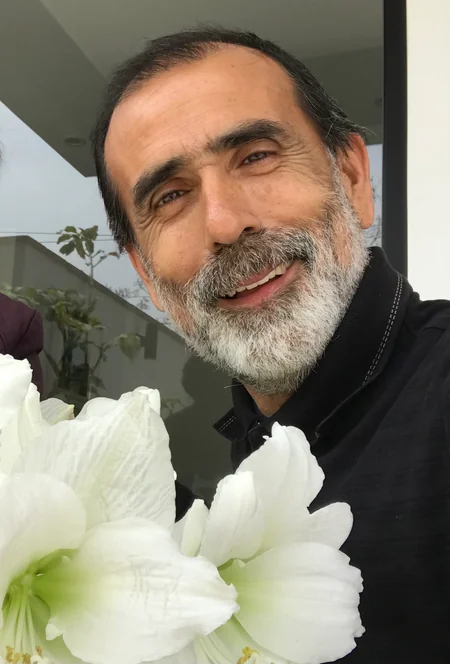
Fernando Novoa, Chasqui curatorChoose the places that feel like you.
Fernando Novoa · Your Chasqui curator
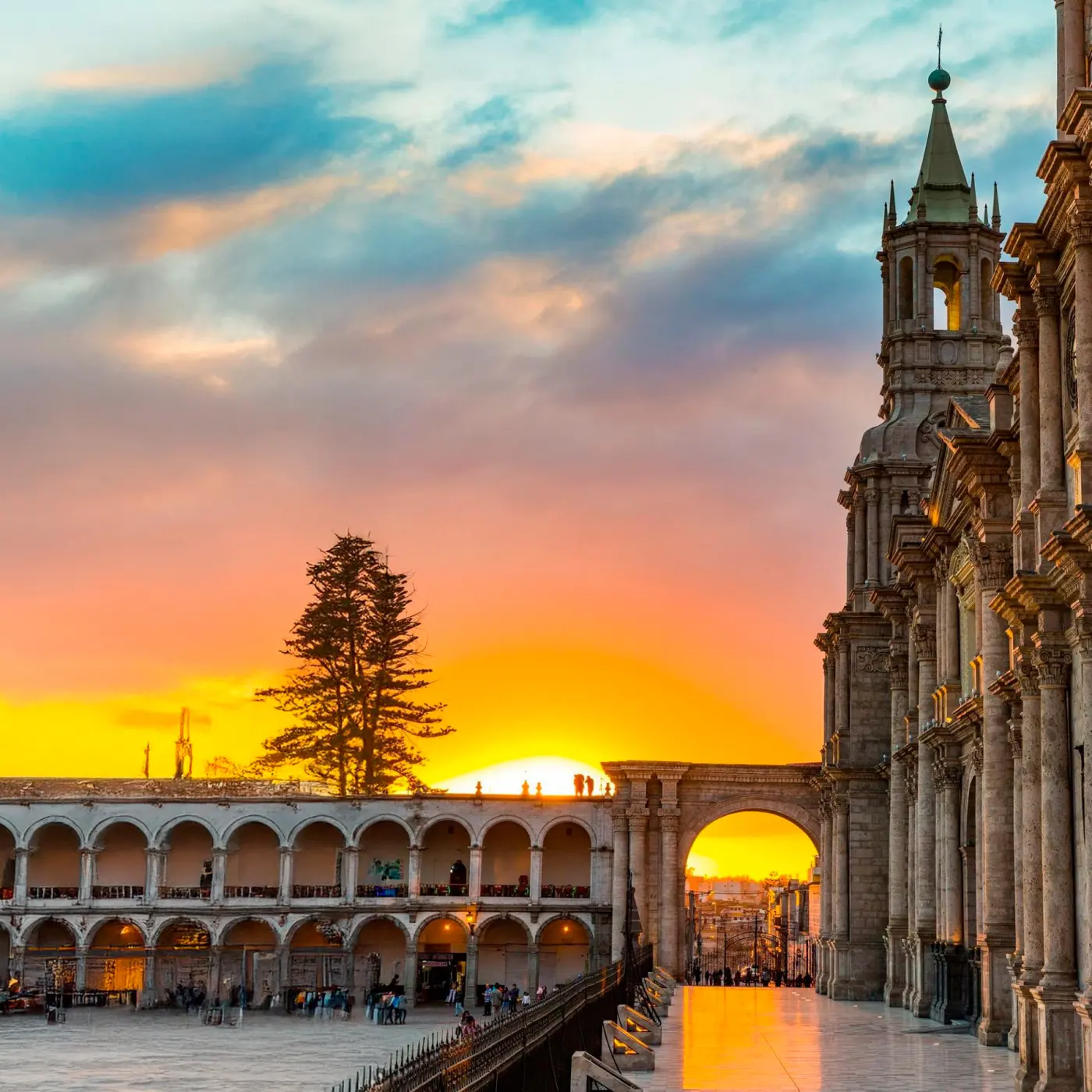
The cathedral and Plaza de Armas of Arequipa in warm evening light
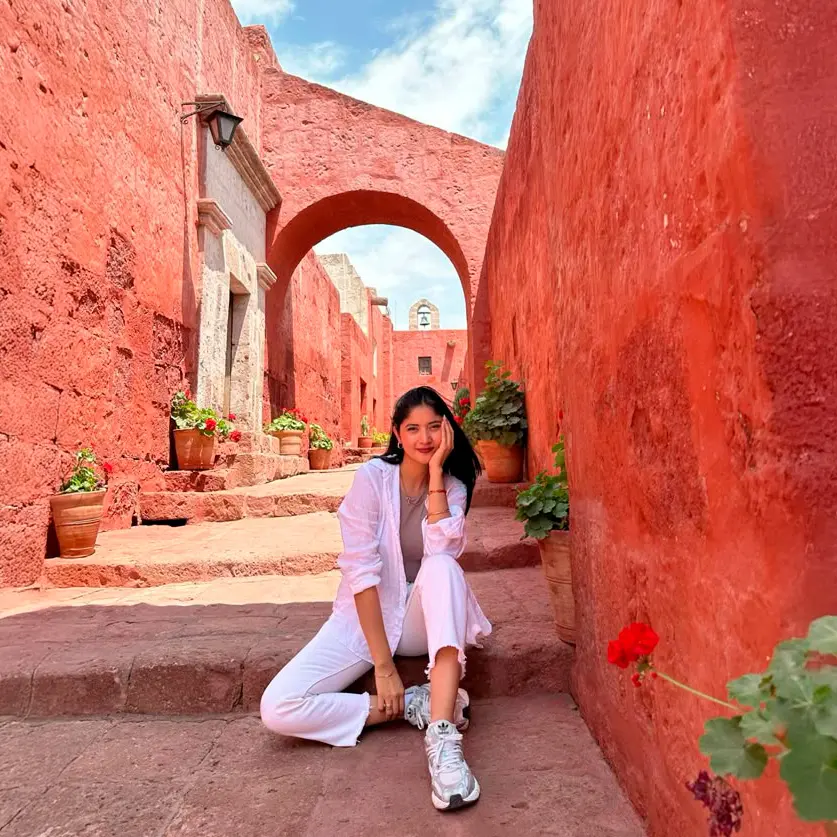
A visitor seated beside the red arches of Santa CatalinaA turn into Santa Catalina.
STONE. STORIES.Stay.
Savour.
AREQUIPA, YOUR WAY.
THE WHITE CITY · IN A WARMER LIGHT
01

READ THE STONEA façade. A cloister. Another century.

02

STAY FOR THE TABLEA regional meal, with time to share.

03

WIDEN THE HORIZONThe countryside, or a Colca chapter.

THIS CITY DESERVES MORE THAN A CONNECTION.

Come for the canyon.
Fall for the city.

Perhaps Arequipa began as a name between two bus tickets. Then a red passage opens into a quiet courtyard, the cathedral catches the evening light, and someone brings lunch. Your onward ticket begins to look a little impatient.

Follow the sillar from a carved façade to its landscape. Make time for a museum that asks something of you. Sit down for a regional meal instead of collecting restaurants like stamps.

Choose a few favourites for your stay and leave room to enjoy them. The Colca is a separate regional journey; the quarries and Sabandía also need their own transport and time.

TEN ENCOUNTERS · YOUR OWN ORDER

What would you love to make time for?

Find my kind of stay ↓

Save what draws you in. We will help distinguish a gentle city day from a separate excursion.

A visitor seated beside the red arches of Santa Catalina
A CITY WITHIN THE CITYA little less hurry.
A little more wonder.

01 / Monasterio de Santa Catalina

Turn a corner.
Lose a century.

Red walls, blue passages, a quiet courtyard after the next. Santa Catalina asks you to stop marching through history and spend a little time inside it. Your camera will be busy. Give your eyes a turn, too.

Behind the place & before you go

The story. Founded in 1579, this Dominican monastery preserves an extraordinary ensemble of streets, cells and cloisters. Its enclosed world makes colonial domestic life feel unexpectedly close.

Look for this. Follow the change from bright street to shaded cell. Notice the small kitchens and thresholds: the everyday details make the monumental walls human.

Plan it well. Santa Catalina 301. Published information lists daily visits, with extended evening hours on Tuesdays and Wednesdays; holiday closures apply. Its current foreign-adult entry is S/50, checked 25 October 2026. Confirm the date, final admission and any separate guide fee or language before buying. Allow time to linger rather than using the monastery as a shortcut.

MONUMENTAL STREETS. A VOLCANO ON THE HORIZON.

The city has
a sense of occasion.

Begin with the square.
Cross towards another perspective.

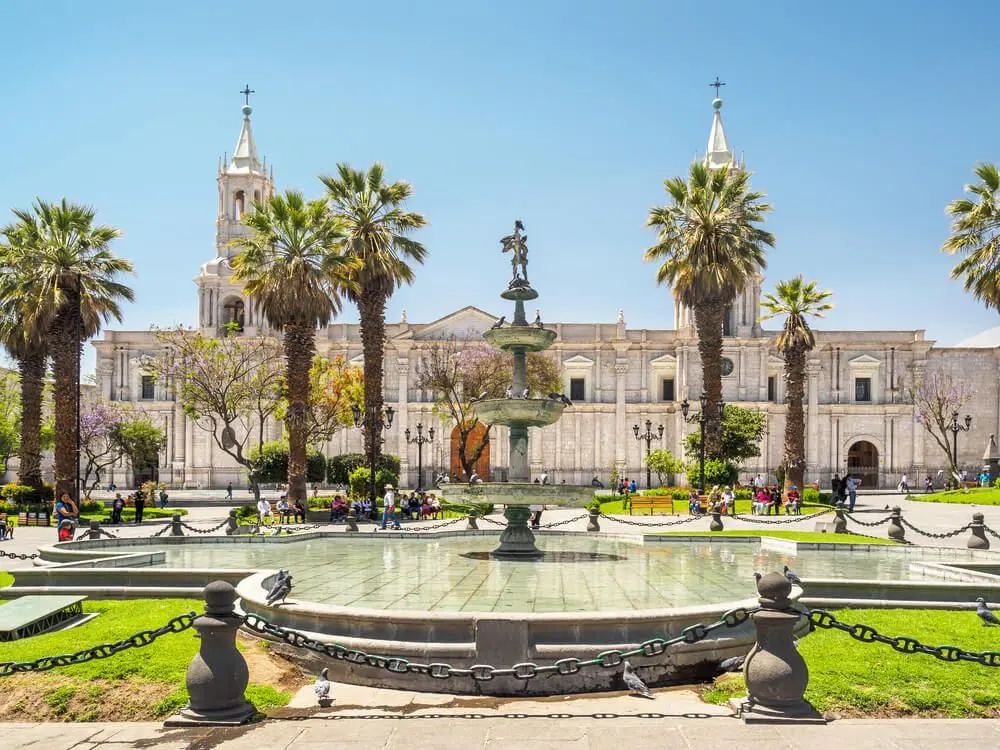
The cathedral and fountain seen from the Plaza de Armas

02 / Plaza de Armas & the Cathedral

A grand entrance.
A very good bench.

Pale arcades, palms, the fountain and a cathedral that seems to stretch across the sky. Start with a slow circuit. Return when the stone catches the evening light: the same square tells a different story.

Behind the place & before you go

The story. Arequipa’s historic centre joined the UNESCO World Heritage List in 2000. Its sillar architecture brings European and Andean craftsmanship into the same cityscape; the cathedral itself is principally neoclassical.

Look for this. Compare the clean rhythm of the cathedral with La Compañía’s densely carved façade nearby. Two languages of stone, within one small walk.

Plan it well. The public square and a cathedral or cathedral-museum visit are different experiences. Check religious services, visitor access and any museum or tower ticket separately. A rooftop café’s actual table view must be confirmed; the photograph is taken from the square.

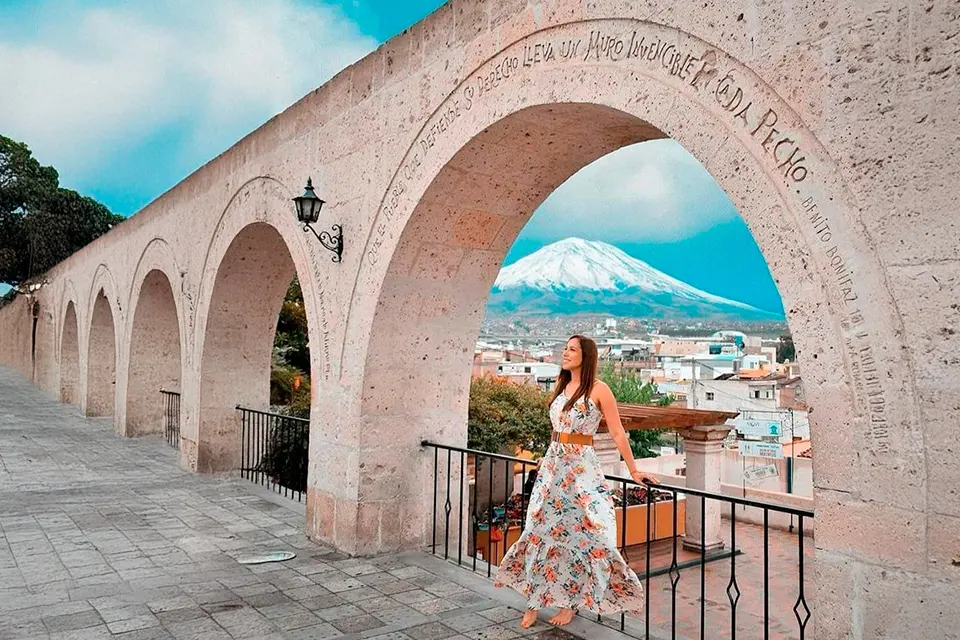
A visitor looking through a sillar arch at Yanahuara towards Misti

03 / Mirador de Yanahuara

Some views deserve
a frame.

Step beneath the white arches and look beyond the rooftops. When the air is clear, Misti gives the city its extraordinary backdrop. Keep time for Yanahuara’s streets, not just the photograph everyone came to take.

Behind the place & before you go

The story. Sillar arches in a nineteenth-century architectural style frame the view. The official inventory dates the viewpoint’s inauguration to 1970; the inscriptions and neighbouring historic square add another layer to the visit.

Look for this. Look through an arch, then turn around. The neighbourhood behind the view is part of the encounter.

Plan it well. Yanahuara is across the river from the historic core. Connect it with a picantería lunch if the chosen venue and service fit. Visibility, crowds and the exact view vary; neither a clear volcano nor a private photo spot is guaranteed.

BELIEF, CRAFT & EVERYDAY LIFE

Three ways
to look closer.

A human story in a museum.
A carved façade. The ingredients of a city.

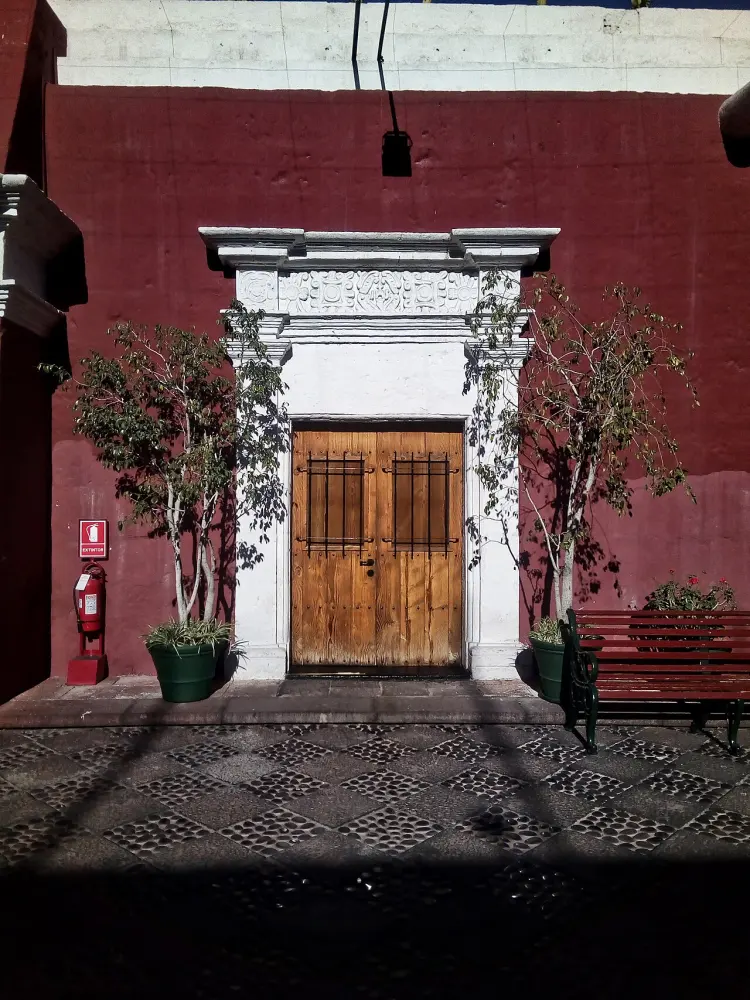
A stone doorway at Museo Santuarios Andinos in Arequipa

04 / Museo Santuarios Andinos

Go beyond wonder.
Make room for reflection.

The story of Juanita brings the Inca relationship with the mountains into a deeply human focus. Take a guided explanation if available. This is a place for attention and respect, rather than a hurried photograph.

Behind the place & before you go

The story. Discovered on Ampato in 1995, Juanita was an adolescent offered in an Inca capacocha ritual more than five centuries ago. Archaeology here opens difficult questions about belief, power and the lives behind the objects.

Look for this. Listen for how researchers reconstruct a life from its context. The mountain, clothing and offerings help tell the story together.

Plan it well. Check the museum’s current entrance, opening, guide language and display programme with UCSM. Conservation or exhibition changes can affect what is shown, including Juanita herself. Follow photography rules; the image here shows a museum doorway, not the current display.

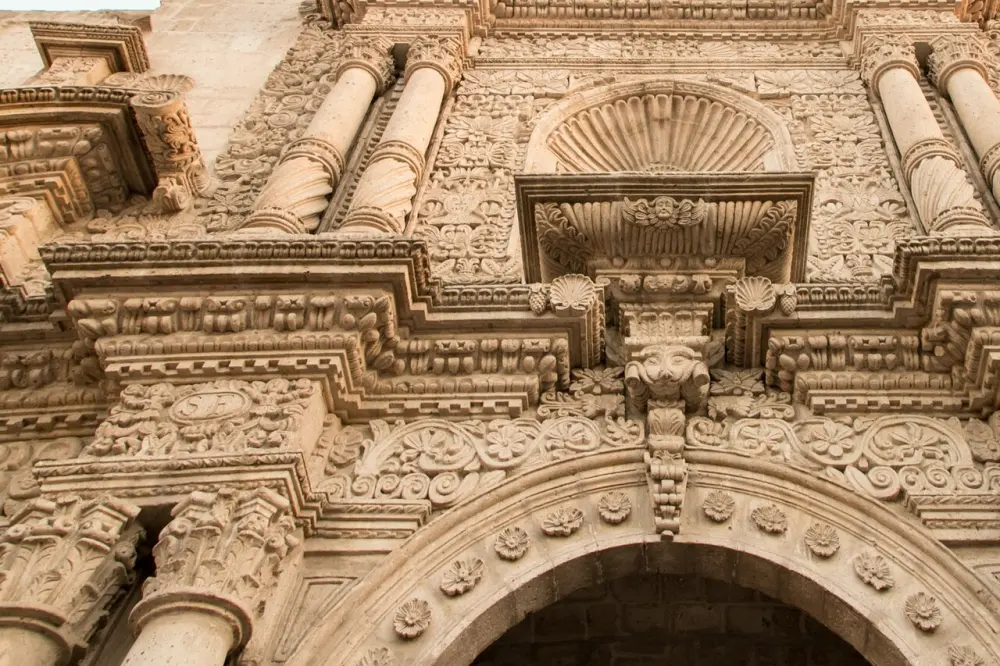
Carved stone detail of the façade of La Compañía de Jesús in Arequipa

05 / Iglesia de la Compañía de Jesús

Look closer.
The stone is speaking.

Leaves, creatures and elaborate carving gather around the entrance. Walk up slowly and let your eye find the details. Arequipa’s cultural encounter is not hidden in a textbook here; it is right on the wall.

Behind the place & before you go

The story. La Compañía is a landmark of the region’s Andean baroque tradition. Its church and cloisters show how local makers transformed an imported religious vocabulary into something distinctive.

Look for this. Choose one carved motif and follow it across the façade. Then compare the movement and density with the cathedral’s more restrained frontage.

Plan it well. The church, San Ignacio chapel and cloister spaces can have different access rules, charges and visiting hours. Check which are included. Respect worship and services; shopping or dining in the cloisters does not automatically include every interior.

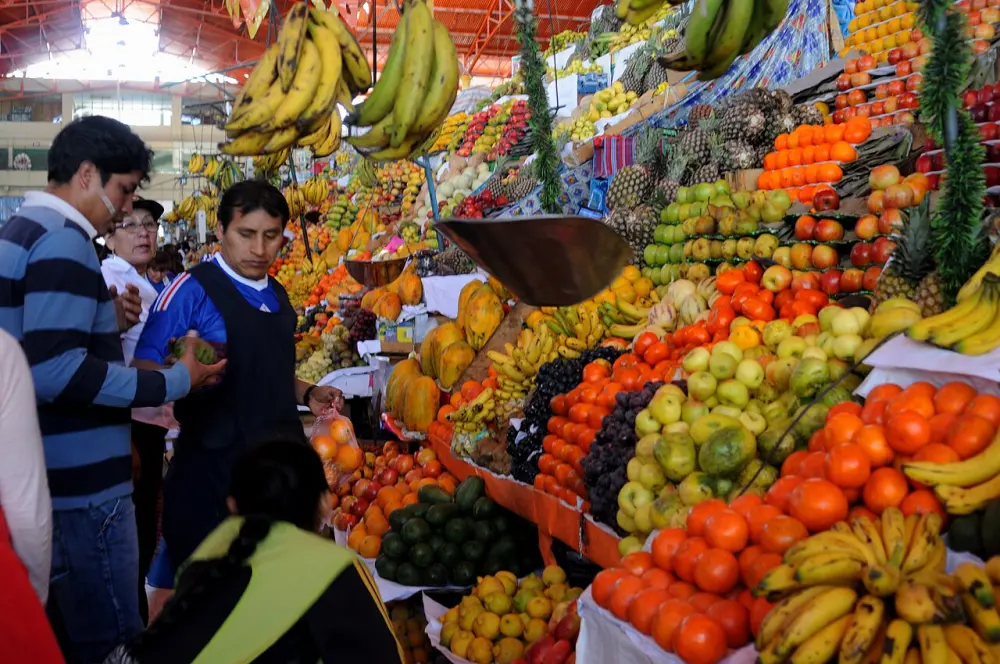
Fruit sellers at San Camilo market, in an archival photograph from 2013ARCHIVAL PHOTOGRAPH · 2013

06 / Mercado de San Camilo

Meet lunch
before lunch.

Fruit in bright heaps, conversations at the counter, ingredients you may never have cooked with. Ask a question and learn one new name. You do not have to recognise everything to feel wonderfully curious.

Behind the place & before you go

The story. San Camilo occupies a place with a much older religious history. Today it remains a working market, where the city’s food culture is part of daily life rather than a staged performance.

Look for this. Ask which fruit is in season or what a local ingredient becomes at the table. A little conversation can be the best thing you take away.

Plan it well. Choose an open stall and confirm prices, portions and ingredients before ordering. Ask permission before portraits and avoid blocking people shopping or working. The photograph dates from 2013; it records the market, not today’s stalls or stock.

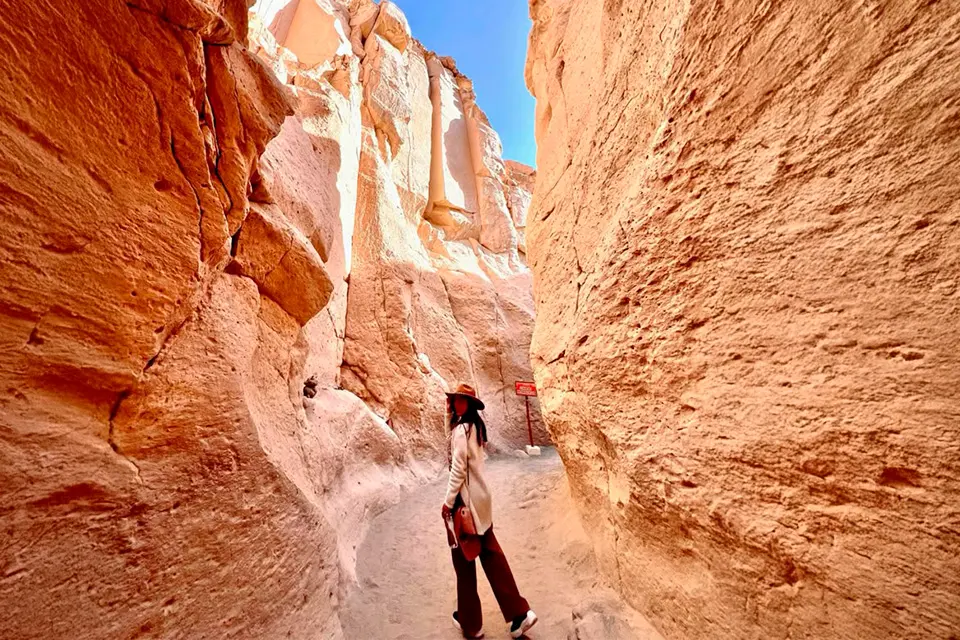
A visitor walking between the narrow rock walls of Culebrillas
OUTSIDE THE HISTORIC CORE · A SEPARATE OUTINGFrom the landscape.
Into the city.

07 / Ruta del Sillar & Culebrillas

Before it became a city,
it was stone.

Leave the façades behind and discover the material that made them possible. The working quarries at Añashuayco and the narrow passage at Culebrillas give Arequipa’s architecture a different scale: landscape first, city afterwards.

Behind the place & before you go

The story. Sillar is volcanic tuff. The craft of extracting and shaping it ties the city’s monumental buildings to the landscape and the knowledge of its stoneworkers.

Look for this. At Añashuayco, ask about the work itself. At Culebrillas, let the narrow walls set the pace. Contemporary carved photo attractions are not ancient Inca monuments.

Plan it well. These are distinct stops, outside the walkable centre. Confirm whether a proposed outing includes both, transport, each entrance and guiding. Uneven ground, narrow passages and exposed sections matter when choosing the route. The photograph shows Culebrillas, not the working face of Añashuayco.

WHEN A LITTLE QUIET IS THE POINT

Follow a curiosity.
Change the pace.

One museum beyond the busiest trail.
One countryside outing, chosen on purpose.

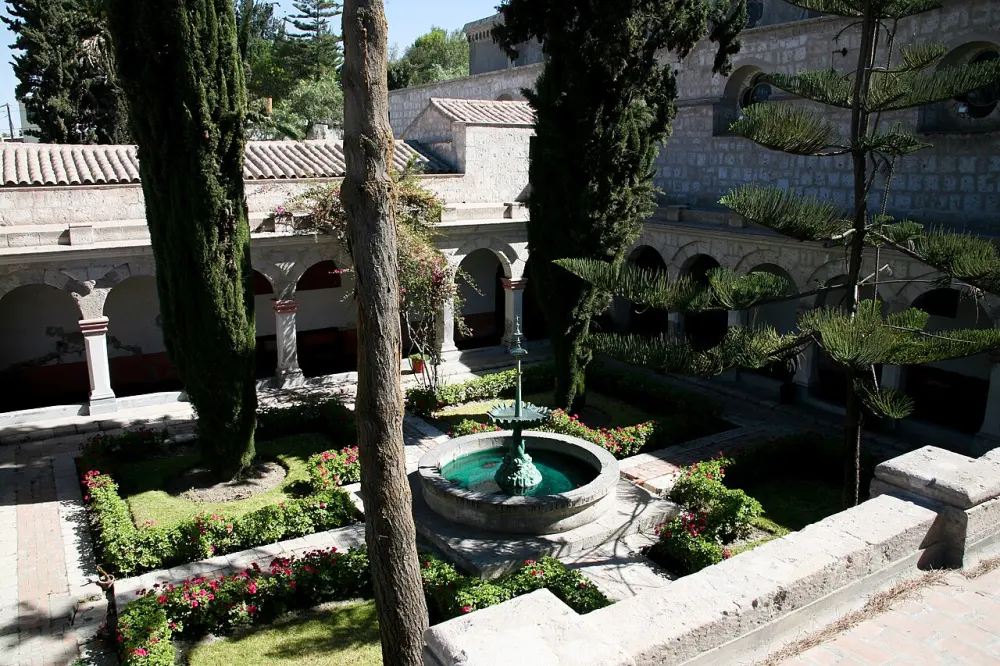
The cloister garden and fountain of La Recoleta in Arequipa

08 / Convento–Museo La Recoleta

For the happily
curious.

A cloister, a library, collections that take you from religious art towards very different worlds. La Recoleta suits the traveller who likes to follow a surprising detail rather than the busiest queue.

Behind the place & before you go

The story. Founded in 1648, the Franciscan convent holds collections linked to pre-Columbian cultures, religious art and Amazonian missions, alongside its historic library.

Look for this. Ask how the collections reached the convent. Their origins and the perspectives behind them are part of the history, too.

Plan it well. La Recoleta 117. Check which galleries, library areas and cloisters are currently accessible, plus guide language and photography rules. A catalogue of the collections does not establish that every room or object is on view that day.

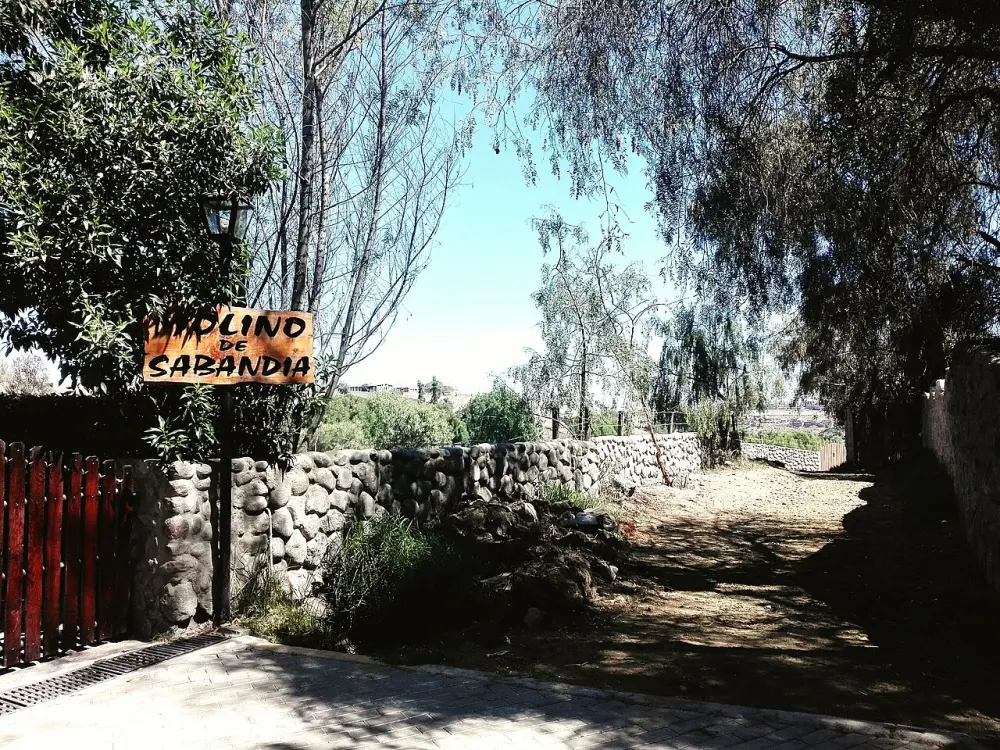
The entrance and gardens at Molino de Sabandía

09 / Molino de Sabandía

Stone, water
and a slower afternoon.

A mill in the green campiña is a gentle change of scene after the city’s monumental streets. Come for rural architecture, the landscape and the pleasure of letting the afternoon become a little less ambitious.

Behind the place & before you go

The story. Built in 1621, the mill connects sillar craftsmanship with the everyday work of grinding grain. It tells a different architectural story from a convent or cathedral.

Look for this. Look for the relationship between water, stone and work. The countryside is part of Arequipa’s story, not just a backdrop to its buildings.

Plan it well. Sabandía lies outside the historic centre and requires its own transport plan. Confirm current opening, entrance, what can be visited and the return journey. Extra activities sold nearby are separate decisions, not automatically part of a mill visit.

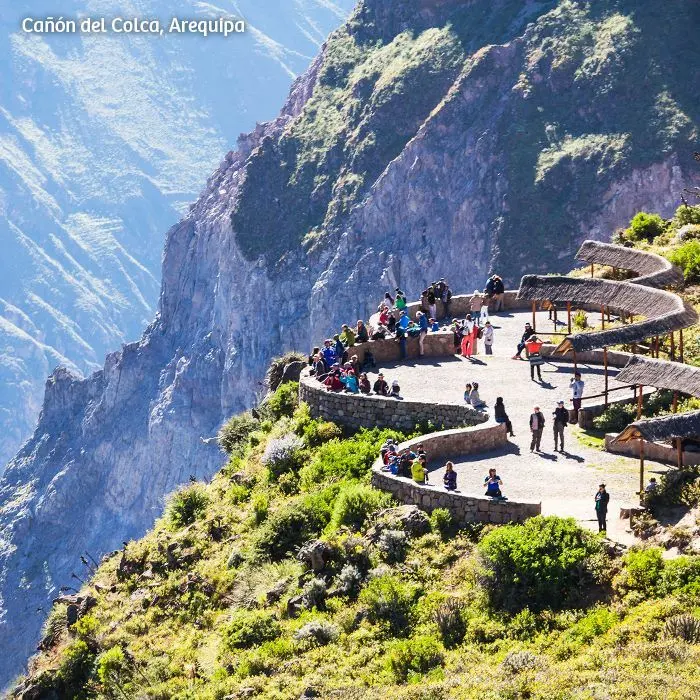
10 / COLCA CANYON · A SEPARATE REGIONAL JOURNEY

Let the landscape
change the scale.

Terraced valleys, highland villages and the immense space beyond the rim. At Cruz del Cóndor, you may see a condor rise through the air. Even before a wing appears, the landscape has your full attention.

Visitors looking into the Colca Canyon from the Cruz del Cóndor viewpoint
A BIGGER HORIZON. ITS OWN CHAPTER.CRUZ DEL CÓNDOR · COLCA
A LONG ROAD DAY

See the rim.

An early start and a substantial drive. Check the actual schedule and return before choosing it.

WITH A NIGHT IN THE VALLEY

Give it room.

A different pace, with time for villages and landscape. Choose the overnight stop and inclusions.

A CANYON TREK

Choose the effort.

A separate walking commitment, with descent and ascent. It is not the same trip as a viewpoint visit.

The lived-in valley & the details that decide the trip

Colca is a lived-in cultural landscape as well as a canyon. Villages, agriculture and historic routes give the journey meaning beyond a single viewpoint.

Keep room for the valley’s people and places. Waiting quietly at the viewpoint can be part of the pleasure; wildlife follows no booking confirmation.

A long road day, an overnight valley visit and a canyon trek are different trips. Confirm departure and return times, high passes, walking effort, weather, road conditions and all inclusions. The tourist ticket, guide, transport, meals and lodging may be charged separately. Condor sightings are never guaranteed.

Help me choose the right Colca chapter ↗
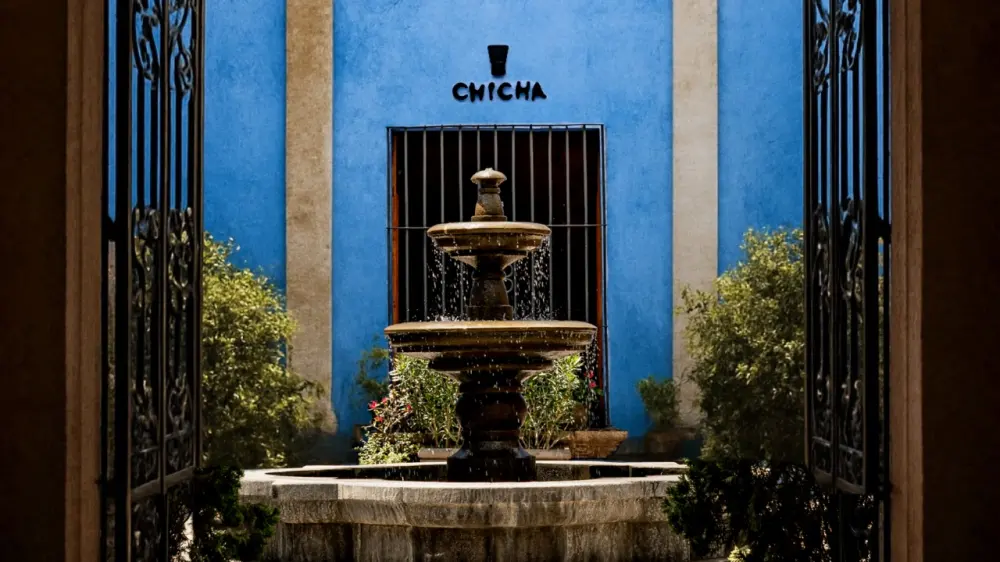
The blue entrance and courtyard fountain at Chicha Arequipa
A courtyard pause at Chicha Arequipa.

A MEAL CAN BE A CULTURAL VISIT, TOO.

Pull up a chair.
This is part of the story.

Arequipa’s picanterías are places of cooking and company. Regional tradition keeps moving at the table: recipes, ingredients, conversations and the pleasure of sharing.

Choose a picantería lunch, a contemporary regional meal or something comforting between discoveries. Not everything needs to be unfamiliar. Your appetite is allowed an opinion.

Arequipa · UNESCO Creative City of Gastronomy ↗

TEN FOOD IDEAS · CHOOSE THE OCCASION

Stay for lunch.
Remember the city.

From a picantería to a more dressed-up evening.
Find the table that fits your kind of day.

10 table ideas shown. A shortlist is a beginning, not ten reservations.

01 / THE PICANTERÍA OCCASION

La Nueva Palomino

Leoncio Prado 122 · Yanahuara

Make the regional table part of the journey.

Choose this for a picantería encounter in Yanahuara. Let the day’s regional dishes lead the conversation, and ask what is best to share. Your next appointment can be with a very comfortable chair.

Menu, fit & before you go

Use the venue’s current menu and contact hub to check service, portions, booking or queue arrangements. Ask about rocoto relleno, soups and the day’s preparations rather than assuming a fixed dish is always available. Confirm ingredients and spice level directly.

02 / A TRADITIONAL TABLE IN YANAHUARA

Sol de Mayo

Yanahuara · reconfirm entrance and service

CURRENT SERVICE & MENU TO RECONFIRM

Leave room for a leisurely regional meal.

Consider Sol de Mayo when a traditional restaurant setting appeals more than a quick bite. Pair one meal with a little time in Yanahuara, so the neighbourhood becomes part of the day.

Menu, fit & before you go

Its current service and menu need a direct check; ask Chasqui to contact the restaurant before making a detour. Reconfirm the entrance, table setting and any music or event on your date.

03 / BETWEEN THE ALPS & THE ANDES

Zig Zag

Zela 210–212 · historic centre

A meeting of mountain appetites.

Volcanic-stone cooking and an Alpandina approach make Zig Zag a tempting bridge between familiar European references and Peruvian ingredients. Give the meal time to be its own occasion.

Menu, fit & before you go

The official menu includes meat and fish cooked on volcanic stone alongside other dishes. Confirm the current menu, full cost and table availability. Ask about stairs or a ground-floor table if that matters; an exact balcony seat is not guaranteed.

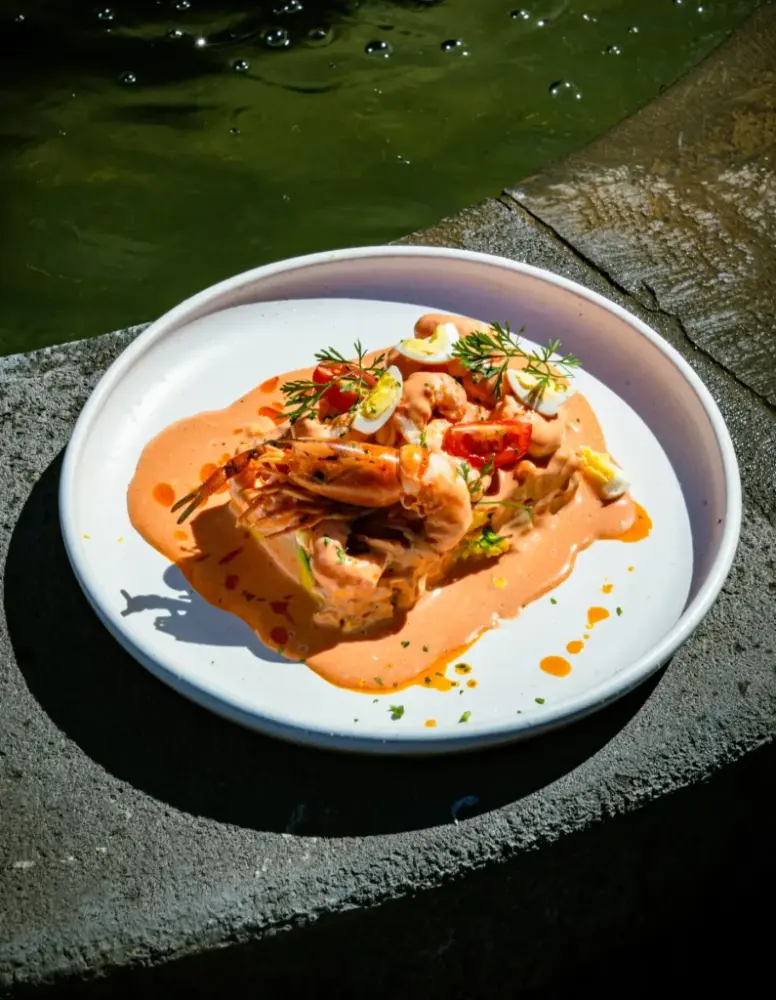
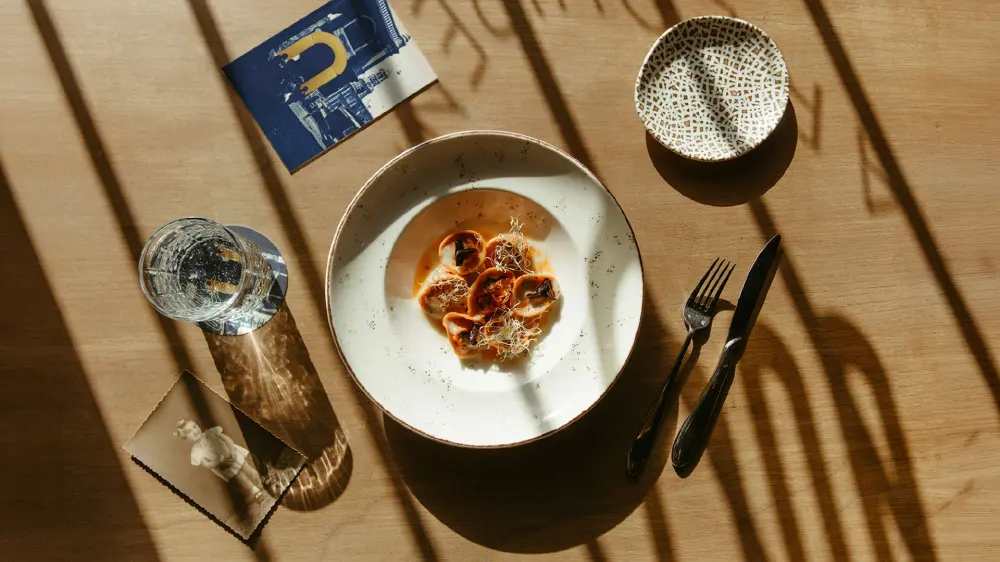
A plated preparation photographed by Chicha Arequipa

04 / REGIONAL CUISINE, A DIFFERENT EXPRESSION

Chicha

Santa Catalina 210 · historic centre

Stay curious about what tradition can become.

Chicha celebrates Arequipa’s ingredients and culinary heritage through a contemporary restaurant experience. A lovely choice when you want a regional meal with a little more ceremony around the plate.

Menu, fit & before you go

Check the Arequipa menu, not the Cusco branch. Published service is Monday–Saturday 12:00–22:00 and Sunday 12:00–20:00, subject to seasonal change. Confirm dishes, booking terms and total price for your date; the photograph illustrates a venue preparation, not a promised course.

05 / PICANTERÍA FLAVOURS, HISTORIC SURROUNDINGS

La Benita de los Claustros

La Compañía cloisters · historic centre

Let the architecture lead you towards the table.

A regional-food idea to connect with time around La Compañía. Explore the stonework, then slow down over a meal: history is easier to absorb when nobody is wondering what is for lunch.

Menu, fit & before you go

The venue’s official contact hub links its menu and reservations. Confirm the exact entrance within the cloister complex, opening and dishes for the day. A restaurant reservation does not include church or chapel access.

06 / A PICANTERÍA IN ANTIQUILLA

La Capitana

Los Arces 209 · Antiquilla, Cayma

Try the city beyond its monumental centre.

La Capitana adds another picantería possibility to the collection. Choose it for curiosity about regional cooking, rather than trying to fit every traditional restaurant into the same afternoon.

Menu, fit & before you go

The website identifies the venue and address but includes incomplete template text beside dishes. Treat its displayed prices as unconfirmed and request the current menu, service and booking arrangements. This is a separate meal choice, not an extra course after La Nueva Palomino.

A pasta dish shown on Mumis’s official website

07 / PASTA WITH AN AREQUIPA ACCENT

Mumis

Sucre 211 · Arequipa

Familiar comfort. A little local curiosity.

Handmade pasta meets the flavours of Arequipa at Mumis. It is a welcome change of rhythm when someone in the group wants something familiar and someone else still wants to discover.

Menu, fit & before you go

Select the Arequipa branch: the official site also lists a restaurant in Costa Rica. Ask which local-inspired pasta dishes are available that day and confirm ingredients, table and total price. The image comes from the shared official website; a pictured dish is not guaranteed at this branch.

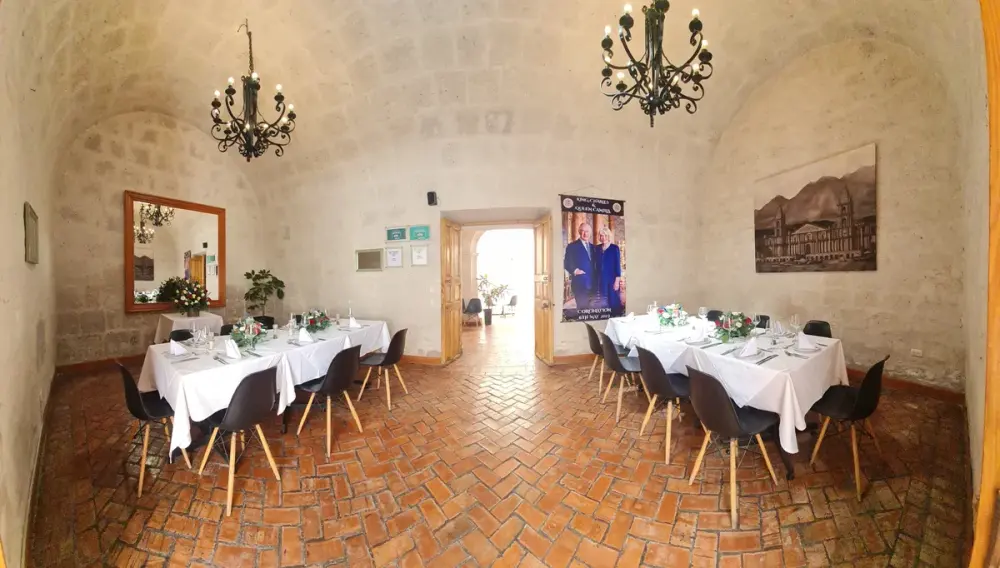
The stone-walled dining room at Dimas

08 / A CONTEMPORARY EVENING

Dimas

Santa Catalina 302 · historic centre

Give the evening somewhere to linger.

A stone-walled dining room and a contemporary Peruvian approach make Dimas another special-meal possibility. A good evening can be a small occasion: a table, a conversation and no hurry to leave.

Menu, fit & before you go

The restaurant’s official site lists Santa Catalina 302 and its own menu. Confirm current service, actual dining space and reservation conditions. A volcano image in a venue’s marketing does not establish a view from your table.

A dining area shown on El Turko’s official website

09 / AN INFORMAL CHANGE OF RHYTHM

El Turko

Historic-centre option · confirm the branch

Sometimes the right answer is a kebab.

Not every meal needs to be an expedition. El Turko brings a Turkish-inspired döner approach together with its own Peruvian seasoning: a practical option when your appetite wants a more informal pause.

Menu, fit & before you go

Döner kebab is at the heart of the venue’s published concept. Its site lists a vegetarian sandwich with cheese; check ingredients, preparation and the exact branch rather than assuming every dietary preference is covered.

10 / THE HUMBLE POTATO, WITH A POINT OF VIEW

Hatunpa

Ugarte street · exact entrance to reconfirm

CURRENT OPERATION & EXACT ENTRANCE TO RECONFIRM

A different way to meet a familiar ingredient.

Hatunpa’s potato-based concept makes it an appealing informal lead: native potatoes as the foundation, with toppings doing the travelling. Ask what is cooking before shaping your route around it.

Menu, fit & before you go

Current operation, menu and the exact door need a direct check. Published listings disagree between Ugarte 207 and 208. Keep this as an idea to verify, not a confirmed stop or guaranteed low-price meal.

Sol de Mayo and Hatunpa remain leads to reconfirm before a visit. Restaurant photographs are references from the venues’ own websites; dishes, rooms and service may change. Typographic panels are editorial illustrations, not photographs of those venues.

YOUR CURIOSITY. YOUR APPETITE. YOUR PACE.

Which Arequipa
feels like you?

Choose a feeling to begin with.
We can help make the practical pieces fit.

Choose your kind of stay

Stone & quiet streets

Let a few places become a real encounter.

Begin with Santa Catalina or a museum. Add the square and one nearby pause, rather than rushing between every monument.

  1. One attentive heritage visit
  2. A square or a quiet street
  3. One good table, without hurry

A suggested shape, not a booked itinerary. Your date, available time and saved ideas guide the next conversation.

Shape this around my stay ↗
The city, the outskirts & the region

The historic core, Yanahuara, the quarries, Sabandía and the Colca are different planning areas. Pick what fits the time you actually have; a map pin does not tell you how a journey will feel.

A good meal needs a few good questions

Ask what is available that day, how much a portion serves, how spicy it is and what the full bill includes. Tell the venue directly about ingredients you need to avoid. A published menu or photograph is a starting point, not a promise.

Protect the pleasure of the trip

Allow time around arrival, onward transport and unfamiliar walking. For Colca, check the highland route, weather, effort and road conditions with the operator. Choose the experience that suits your pace; there is no prize for completing the longest list.

YOUR FIRST GOOD DECISION

Choose the scale
of your day.

The city, the countryside and the Colca ask different things of your available time.

A practical way to choose your experience
Your chapterThe appealAllow forDecide first
Historic centreSanta Catalina, the square, museums and carved stoneworkTime inside one major site and an unhurried mealOpening, exhibition and how many interiors you want
Yanahuara & neighbourhoodsFramed views and a different street rhythmA separate walk or ride and weather-dependent visibilityThe actual route, walking effort and return
Quarries / SabandíaWhere the city’s stone or rural landscape comes into focusDedicated transport, sun exposure and individual site accessChoose the outing; do not assume both fit a short city day
ColcaVillages, canyon landscapes and the possibility of condorsA substantial road journey and higher sections of routeDay trip, valley overnight or canyon trek: three different commitments

A LITTLE LESS CHECKLIST. A LITTLE MORE JOURNEY.

Make the moments
belong together.

Build the stay around the experiences you most want to understand, rather than the maximum number of entrances.

01

ONE CITY DAY

Stone, silence, lunch

  1. Choose Santa Catalina or a main museum for a proper visit.
  2. Pause around the square and nearby streets.
  3. Give one regional meal enough time; add only a modest walk afterwards.

A useful city outline. Arrival and departure transfers may reduce what actually fits.

02

TWO DAYS IN AREQUIPA

The city beyond the postcard

  1. Spend one day with the historic centre and a thoughtful table.
  2. Choose a contrasting outing: Yanahuara, the quarries or Sabandía.
  3. Return without turning the second day into a transfer marathon.

Choose the outskirts route after confirming transport and access for your date.

03

A LONGER STAY / COLCA SEPARATELY

Keep a chapter for the valley

  1. Enjoy the city before beginning a distinct Colca journey.
  2. Choose a valley base and give the road its own time.
  3. Protect the onward connection and allow for an adjusted return.

The number of extra days depends on whether you want a rim visit, overnight or trek. This outline does not calculate an ascent plan.

THE USEFUL DETAILS, IN ONE PLACE

Arequipa travel essentials.
More anticipation. Fewer surprises.

01

Best time to visit

Arequipa is a year-round cultural destination. May–October is a useful drier-season starting point; the wetter months require more flexibility outside the city. Museum and monastery visits give the city depth even when a volcano view is hidden.

For quarries, countryside or a Colca extension, assess the actual weather and route rather than carrying a city forecast into the high passes. Popular dates can affect tables and rooms; choose the main visit and the meal you care about, then keep the rest flexible.

02

Things to know

The city sits around 2,300 metres, while excursions may go much higher. A city stay does not certify readiness for a high pass or canyon trek. Discuss the wider ascent with a travel-health clinician when planning demanding travel.

Carry a layer, sun protection and grippy footwear. Museums and religious sites have different photography and access rules. Juanita and other displays may follow conservation or exhibition arrangements; check the current programme before promising a specific object to your travel companions.

03

Transportation

Arrange the real airport or bus-terminal transfer to your hotel, and check whether the vehicle reaches the door. The historic centre can be explored in manageable walking sections; outskirts visits need their own transport.

For a driver or tour, agree the actual stop list, guide language, waiting time and return. A transfer to the Colca or Puno is not an incidental end to a city tour. Reconfirm conditions and departure points before the travel day and leave margin for fixed onward journeys.

04

Best road trips

Choose the Ruta del Sillar to understand the city’s building material, or Sabandía and the countryside for a different landscape. Yanahuara can complement a city stay without becoming a whole regional circuit.

Colca is the major separate road chapter. The high sections, valley base, length of the day and return route matter. A pre-dawn day trip, a valley night and a descent into the canyon offer different experiences; choose one deliberately rather than comparing them by the word “Colca”.

05

Money and costs

Separate city admissions, food, transport and guiding. Santa Catalina, a museum, a quarry outing and a restaurant reservation do not share one automatic ticket. Ask which costs your quote includes and who actually operates the service.

For a Colca extension, add the applicable tourist ticket, lodging, meals, extra admissions or pools and the full return or onward transfer. AUTOCOLCA publishes nationality-based categories; confirm the one that applies and what it excludes. Do not assume an expensive dinner includes lodge facilities or thermal access.

06

Travelling with kids

Choose one engaging interior, a short walk and a food pause. Ask about steps, toilets, shade and the museum visit’s content before choosing it for your family.

A Colca day means substantially more transport and a different altitude profile than a walk around the square. Check suitability with the provider and obtain individual travel-health advice. Arrange child restraints for a car. An adult handles Chasqui enquiries; the first conversation does not need identifying details about children.

07

Get connected

Save the hotel, museum entrance and pickup contact before leaving Wi-Fi. Download the transfer instructions as well as a map; a broad place name can hide several meeting points.

Outside the city, ask the driver or host how contact will work when coverage is weak. Keep a charged power bank and the onward booking accessible offline. This guide can remain on the device; checking current openings, sending an enquiry or opening external links needs a connection.

A DESTINATION HAS A FLAVOUR, TOO

Give lunch
the respect it deserves.

The restaurant collection above offers different styles. These regional dishes help you decide which kind of table belongs in your day.

01 / FIND YOUR APPETITE

Rocoto relleno

A stuffed chilli with a character of its own, often paired with potato preparation. Ask about heat and ingredients; the mild-looking appearance is not a reliable guide.

02 / FIND YOUR APPETITE

Chupe de camarones

A substantial regional chowder. Ask about current availability and ingredients, including shellfish and dairy, rather than ordering it as a light vegetable soup.

03 / FIND YOUR APPETITE

Ocopa & solterito

Two different introductions: a sauce-led potato preparation and a fresh combination with cheese and vegetables. Recipes vary; discuss allergies directly.

04 / FIND YOUR APPETITE

Adobo & a picantería meal

Ask what is cooking and when the kitchen serves it. A traditional lunch is an experience to make time for, not a gap between two distant tours.

Menus and recipes vary. Discuss allergies and dietary requirements directly before ordering; a particular dish or seat needs its own confirmation.

Return to the restaurant and table collection ↑

CHOOSE THE NIGHT, TOO

The right base
changes the day.

Pick the room and location that fit your actual route. These are base types to compare, not confirmed hotel offers.

01

Historic centre / Santa Catalina area

Convenient for interiors and evening tables. Check the exact room’s street noise, stairs, heating or ventilation and access from the car.

02

Yanahuara / a quieter city base

A different street atmosphere with extra journeys to some visits. Compare the walk or transfer to dinner and the return after dark.

03

A Colca valley night

A separate lodging decision. Choose village and room facilities around your road itinerary, not merely a photograph labelled “near Arequipa”.

SMALL CHECKS. A MUCH BETTER TRIP.

The mistakes you
don’t need to make.

Twelve useful checks, organised around the moment when they can make a difference.

Before you book
  1. Calling Colca a quick extra stop. Choose the road itinerary and time commitment explicitly.
  2. Comparing canyon tours without the route. Check rim visit versus trek, departure time and total driving.
  3. Assuming a museum object is always displayed. Ask about the actual exhibition and conservation arrangements.
  4. Booking a picantería without its service time. Let lunch and the cultural visit fit one another.
Before leaving the city
  1. Using the city’s altitude for the whole trip. Check high passes and sleeping places across the actual route.
  2. Combining distant outskirts by name alone. Choose and time the quarry or countryside outing.
  3. Taking a grand façade as a promise of access. Check entrances, services and visitor rules.
  4. Assuming a lodge meal includes its amenities. Get pool, dining and non-resident access confirmed separately.
Before the onward journey
  1. Making a Colca return touch a fixed flight. Keep margin and a realistic transfer plan.
  2. Buying a cheap quote without inclusions. Compare entries, meals, guides and return transport.
  3. Ignoring luggage and checkout. Arrange storage or transfer before the outing.
  4. Trying to improve a short stay with more stops. Choose one memorable visit and meal rather than rushing through four.

KEEP THE JOURNEY CONNECTED

And then?
Choose the next chapter.

Connect regions and neighbourhoods with the travel time in mind.

LESS SEARCHING WHEN YOU GET THERE

Keep the useful
part with you.

Save this HTML file to read its text and photographs offline. Your shortlist lasts for this page session; use Copy message below to keep the plan in your notes. External links and WhatsApp still need a connection.

Prepare my own trip summary ↗

The browser opens the print window. No message is sent and no service is booked by this page.

About this integral guide & its sources

Planning expansion reviewed on 25 October 2026. The original landmark chapters retain their own historical, story and photograph credits. These itineraries and comparisons are editorial suggestions, not confirmed departures, availability or individual medical clearance.

Current access, specific room facilities, menus, prices and transport should be reconfirmed for the travel date. No new landmark or hotel photographs were generated for this expansion. Existing photo provenance and publication conditions remain in the original credits below.

YOUR LOCAL ALLY IN PERU.

More of the city.
Less of the searching.

A few places that intrigue you. A meal worth staying for. A journey with enough room to enjoy both.

Tell us what caught your eye. We can help narrow the choices and check the details for your date, including whether an excursion belongs in this stay.

Fernando Novoa, Chasqui curatorFernando NovoaChasqui curator · Your local ally in Peru
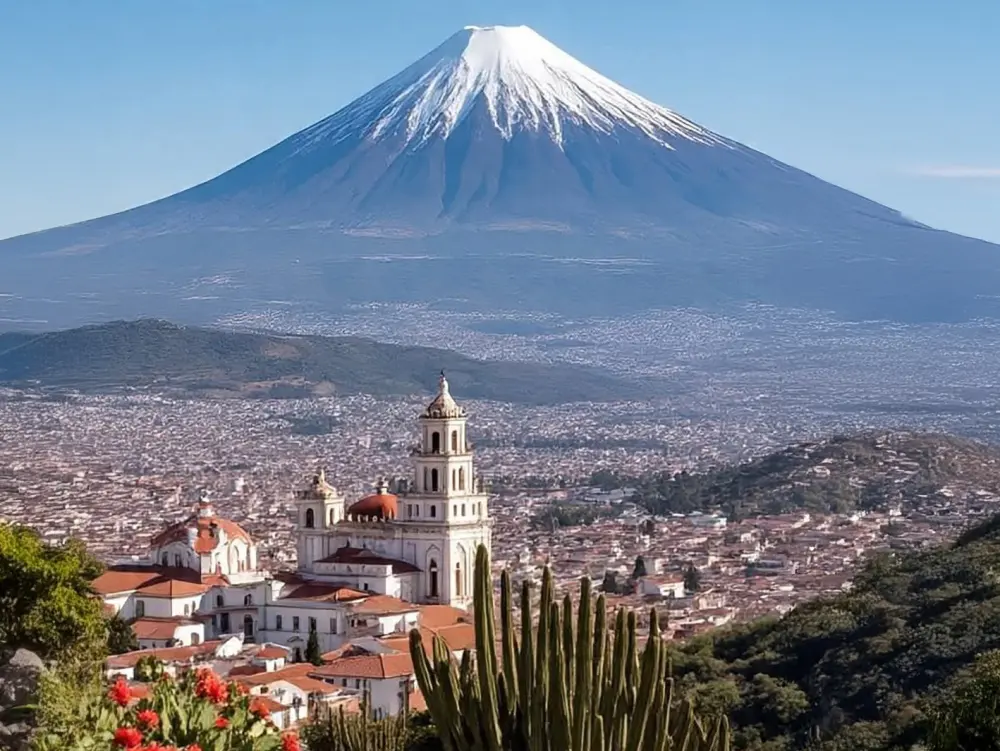
Misti rising above the rooftops and towers of Arequipa
A city with a remarkable neighbour.

Your Chasqui assistant is free. Chasqui may earn a commission on bookings it generates. Saving a place records your interest; it does not hold a table, ticket, guide or vehicle.

MAKE THIS YOUR AREQUIPA CHAPTER

What would you
love to make time for?

YOUR SAVED IDEAS

Save the places and tables you would love to make time for.

A few favourites are enough to begin.

Review my full list & practical notes

No saved ideas yet.

Check dates and access before fixing the plan.

Explore or change my places ↑

My kind of stay: Stone & quiet streets. Change the feeling ↑

A few details that make the plan fit

For adults 18+. No passport, card or medical information is needed for this enquiry.

Preview my message

AREQUIPA — Hi Chasqui! Help me plan my stay.

Plan my Arequipa chapter

Opens WhatsApp with a message you can review and send. Nothing is sent while you complete this form. Your choices stay in this page until you close or reload it.

Research, sources & photographs

Reviewed 25 October 2026. This is an editorial selection based on the supplied brief and identified sources, not a verified ranking of European visitors’ satisfaction. Unverified visitation projections and nationality percentages have been omitted. The historic centre and regional food culture are documented by UNESCO World Heritage and the Creative Cities Network.

Sources appear in each expandable chapter. Access, prices, menus, exhibits, guiding and transport depend on the actual date. Sol de Mayo and Hatunpa need a current operation check. The La Capitana website contains incomplete menu text, so its prices are not treated as current. No visits, commercial partnerships, reservations or daily monitoring are implied by inclusion.

Photographs are real images from the supplied Chasqui collection, identified venue websites and Wikimedia Commons. No new AI scenes were added. The San Camilo photograph is archival (2013), the museum image shows a doorway, and the Sabandía image shows its entrance and gardens. Photos illustrate places or the venues’ own presentation, not live availability. Source files were preserved; WebP derivatives were resized and may be cropped by the layout. Credits and licences:

  • sunset — Photograph supplied by Chasqui. Supplied project collection.
  • catalina — Photograph supplied by Chasqui. Supplied project collection.
  • yanahuara — Photograph supplied by Chasqui. Supplied project collection.
  • volcano — Photograph supplied by Chasqui. Supplied project collection.
  • quarry — Photograph supplied by Chasqui. Supplied project collection.
  • colca — Photograph supplied by Chasqui. Supplied project collection.
  • plaza — Photograph supplied by Chasqui. Supplied project collection.
  • company — Arteyvista. Source photograph ↗ CC BY-SA 4.0 ↗. Resized, re-encoded and displayed with layout crops; original linked above.
  • market — Josep M. Gracia. Source photograph ↗ CC BY-SA 4.0 ↗. Resized, re-encoded and displayed with layout crops; original linked above.
  • recoleta — FotosATP-Pe. Source photograph ↗ CC BY-SA 4.0 ↗. Resized, re-encoded and displayed with layout crops; original linked above.
  • mill — Daniela Rendon Zuñiga. Source photograph ↗ CC BY-SA 4.0 ↗. Resized, re-encoded and displayed with layout crops; original linked above.
  • museum — Estuardo02. Source photograph ↗ CC BY-SA 4.0 ↗. Resized, re-encoded and displayed with layout crops; original linked above.
  • chicha — Chicha · official venue website. Source photograph ↗
  • chicha-patio — Chicha · official venue website. Source photograph ↗
  • mumis — Mumis · official venue website. Source photograph ↗
  • dimas — Dimas · official venue website. Source photograph ↗
  • turko — Turko · official venue website. Source photograph ↗
  • fernando — Chasqui founder portrait. Supplied project collection.
Piazzolla font licence
Copyright 2018 The Piazzolla Project Authors (https://github.com/huertatipografica/piazzolla)

This Font Software is licensed under the SIL Open Font License, Version 1.1.
This license is copied below, and is also available with a FAQ at:
http://scripts.sil.org/OFL


-----------------------------------------------------------
SIL OPEN FONT LICENSE Version 1.1 - 26 February 2007
-----------------------------------------------------------

PREAMBLE
The goals of the Open Font License (OFL) are to stimulate worldwide
development of collaborative font projects, to support the font creation
efforts of academic and linguistic communities, and to provide a free and
open framework in which fonts may be shared and improved in partnership
with others.

The OFL allows the licensed fonts to be used, studied, modified and
redistributed freely as long as they are not sold by themselves. The
fonts, including any derivative works, can be bundled, embedded, 
redistributed and/or sold with any software provided that any reserved
names are not used by derivative works. The fonts and derivatives,
however, cannot be released under any other type of license. The
requirement for fonts to remain under this license does not apply
to any document created using the fonts or their derivatives.

DEFINITIONS
"Font Software" refers to the set of files released by the Copyright
Holder(s) under this license and clearly marked as such. This may
include source files, build scripts and documentation.

"Reserved Font Name" refers to any names specified as such after the
copyright statement(s).

"Original Version" refers to the collection of Font Software components as
distributed by the Copyright Holder(s).

"Modified Version" refers to any derivative made by adding to, deleting,
or substituting -- in part or in whole -- any of the components of the
Original Version, by changing formats or by porting the Font Software to a
new environment.

"Author" refers to any designer, engineer, programmer, technical
writer or other person who contributed to the Font Software.

PERMISSION & CONDITIONS
Permission is hereby granted, free of charge, to any person obtaining
a copy of the Font Software, to use, study, copy, merge, embed, modify,
redistribute, and sell modified and unmodified copies of the Font
Software, subject to the following conditions:

1) Neither the Font Software nor any of its individual components,
in Original or Modified Versions, may be sold by itself.

2) Original or Modified Versions of the Font Software may be bundled,
redistributed and/or sold with any software, provided that each copy
contains the above copyright notice and this license. These can be
included either as stand-alone text files, human-readable headers or
in the appropriate machine-readable metadata fields within text or
binary files as long as those fields can be easily viewed by the user.

3) No Modified Version of the Font Software may use the Reserved Font
Name(s) unless explicit written permission is granted by the corresponding
Copyright Holder. This restriction only applies to the primary font name as
presented to the users.

4) The name(s) of the Copyright Holder(s) or the Author(s) of the Font
Software shall not be used to promote, endorse or advertise any
Modified Version, except to acknowledge the contribution(s) of the
Copyright Holder(s) and the Author(s) or with their explicit written
permission.

5) The Font Software, modified or unmodified, in part or in whole,
must be distributed entirely under this license, and must not be
distributed under any other license. The requirement for fonts to
remain under this license does not apply to any document created
using the Font Software.

TERMINATION
This license becomes null and void if any of the above conditions are
not met.

DISCLAIMER
THE FONT SOFTWARE IS PROVIDED "AS IS", WITHOUT WARRANTY OF ANY KIND,
EXPRESS OR IMPLIED, INCLUDING BUT NOT LIMITED TO ANY WARRANTIES OF
MERCHANTABILITY, FITNESS FOR A PARTICULAR PURPOSE AND NONINFRINGEMENT
OF COPYRIGHT, PATENT, TRADEMARK, OR OTHER RIGHT. IN NO EVENT SHALL THE
COPYRIGHT HOLDER BE LIABLE FOR ANY CLAIM, DAMAGES OR OTHER LIABILITY,
INCLUDING ANY GENERAL, SPECIAL, INDIRECT, INCIDENTAL, OR CONSEQUENTIAL
DAMAGES, WHETHER IN AN ACTION OF CONTRACT, TORT OR OTHERWISE, ARISING
FROM, OUT OF THE USE OR INABILITY TO USE THE FONT SOFTWARE OR FROM
OTHER DEALINGS IN THE FONT SOFTWARE.
AREQUIPA · MAKE IT YOURSYour stay. Your appetite.Make it mine ↗