ChasquiES

MACHU PICCHU, PERU · THE WONDER IS IN THE DETAILS

You know the photograph.Now feel
the place.

A stone that holds the Sun.
A bird hidden in the rock.
A doorway into another world.

Ten places that make Machu Picchu more than a picture—and help you choose the experience you actually want to have.

Show me what I might miss
Fernando Novoa, founder and curator of ChasquiCuriosity. Context. A little perspective.
Fernando Novoa · Your Chasqui curator
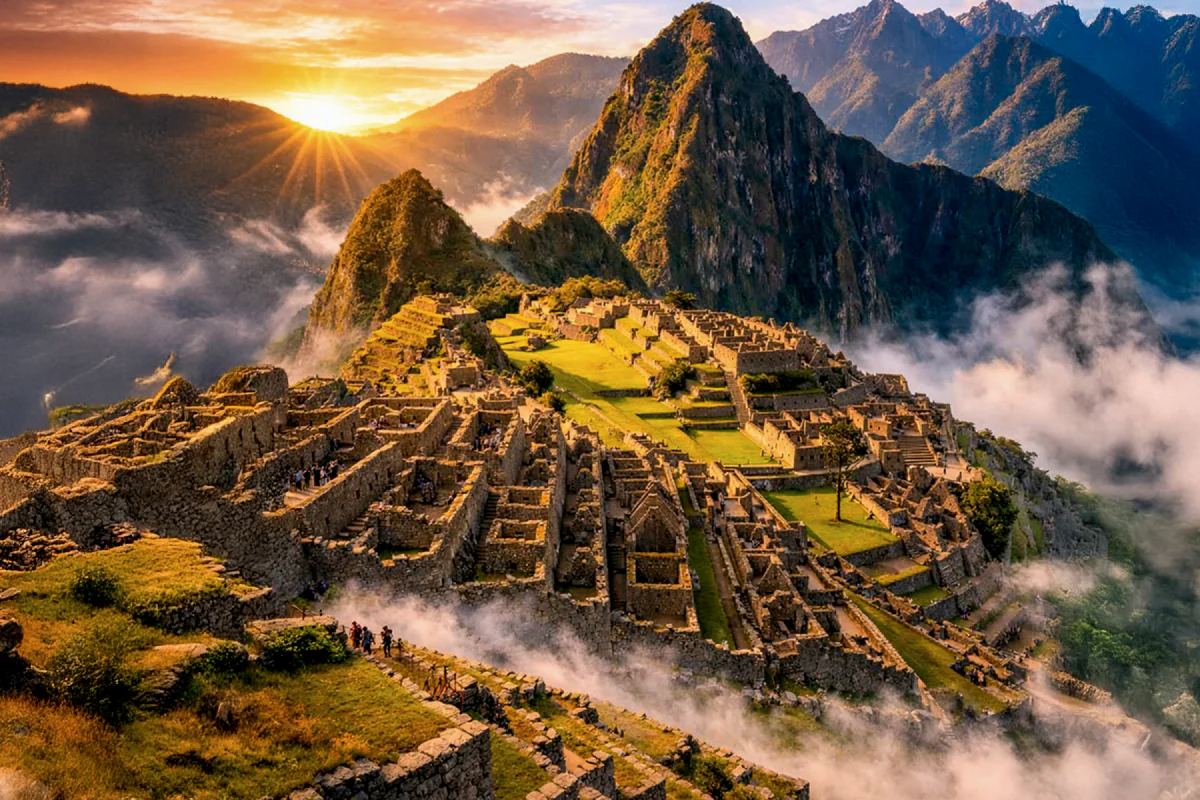
Machu Picchu terraces and Huayna Picchu under warm light
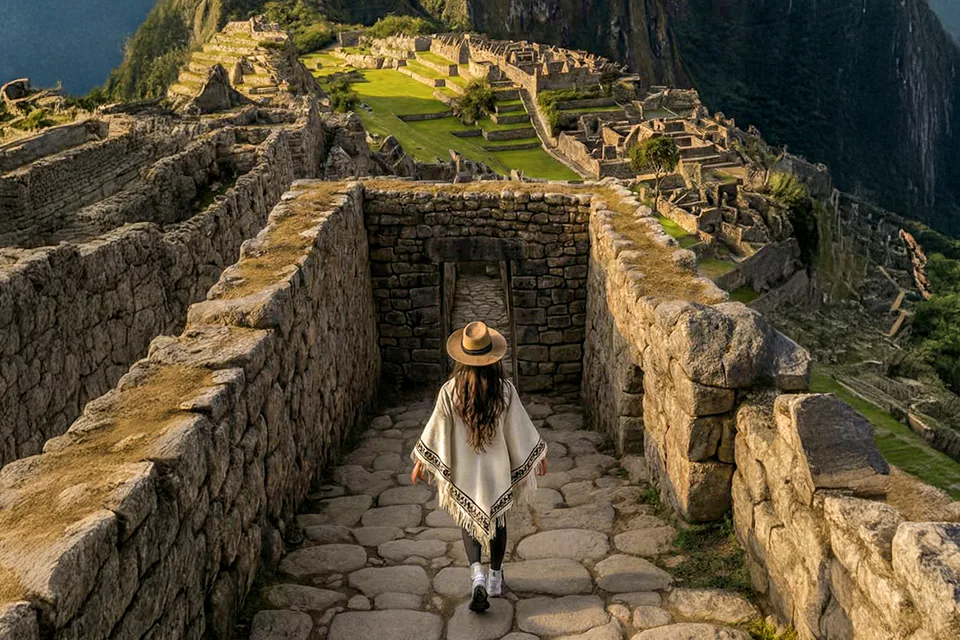
An adult traveller descending stone steps at Machu Picchu
ONE PLACE.Look
closer.
TEN GREAT STORIES.
01

FALL FOR THE DETAILSDiscover what the postcard leaves out.

02

CHOOSE WHAT MOVES YOUSave the places you want to experience.

03

MATCH THE RIGHT ROUTELet the plan follow your priorities.

Ten places to discover. Different routes to reach them. Your circuit determines where you can go. This is a guide to choosing, rather than a ten-stop itinerary included in one ticket. Help me understand the choices ↓

THE FAMOUS VIEW IS ONLY THE BEGINNING

Cross an ocean.
Find a world
in the details.

Of course you want the photograph. You have come a long way for it. But there is another kind of souvenir: understanding what you are looking at.

A line of sunlight. Three enormous windows. The suggestion of wings. These are the details that can turn a beautiful visit into a story you still tell years later.

History, traditional belief and our own poetic interpretations are clearly distinguished below. Where no specific local legend is documented, we let the real place tell its story.

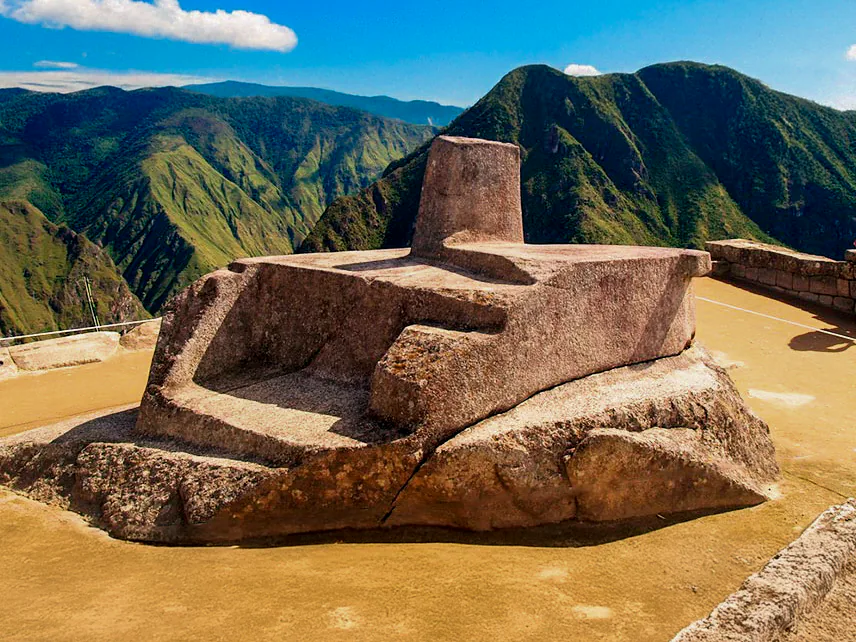
The carved Intihuatana stone against the green mountains of Machu Picchu

Notice the relationship between carved planes and mountain silhouettes.

Close-up access needs confirmation

01 / TEN · STONE, SUN & SHADOW

A stone to hold
the Sun.

Intihuatana · The carved ritual stone

It looks almost modest beside the mountains. Then you begin to notice the angles, the shadows and the extraordinary thought behind a single piece of rock.

A MOMENT IN HISTORY

The familiar name evokes tying the Sun. Archaeologists associate this carved stone with ritual and the sacred landscape; its exact operation as a ‘sun clock’ is debated.

Historical source ↗
POETIC INTERPRETATION OF THE NAME

What if you could ask the Sun to stay?

Imagine a world in which the Sun’s return means warmth, food and another season of life. The idea of fastening it to a stone becomes something more touching than a magical trick: a wish to keep the source of life close.

Give that idea a moment. A piece of stone, a passing shadow, the warmth on your face: suddenly the grand machinery of the sky feels surprisingly personal. Your watch can tell you the hour. This place asks what you will do with it.

Make it part of your trip

Do not choose a ticket on the assumption that you can stand beside the stone. Confirm current access to the Intihuatana sector specifically; seeing its hill on a map does not establish close-up access.
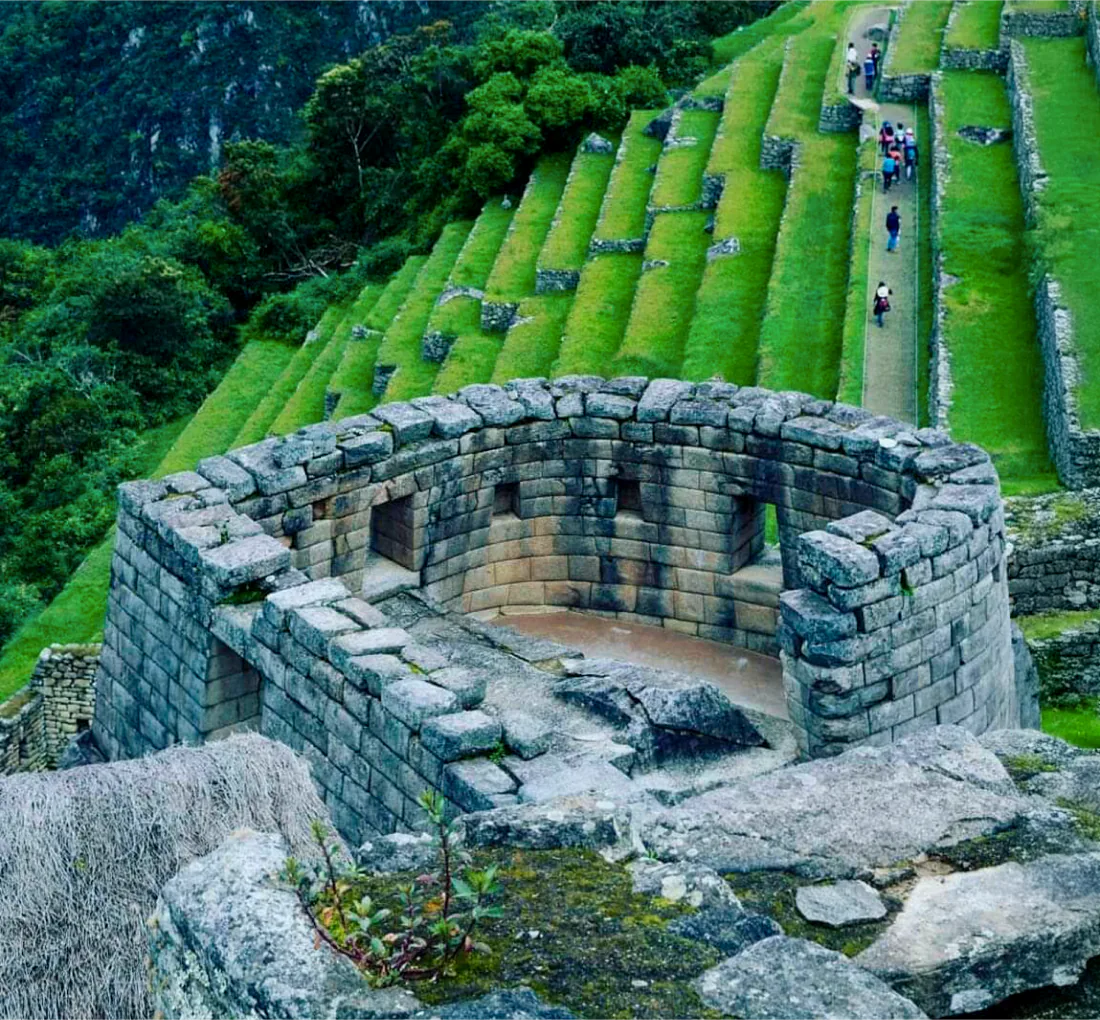
The curved fitted-stone wall of the Temple of the Sun above a natural rock outcrop

The curved wall rests on the landscape instead of erasing it.

View depends on your circuit

02 / TEN · A CONVERSATION WITH LIGHT

When light becomes
architecture.

Templo del Sol · The Torreón

Follow the curve of the masonry. Where the rock ends and the building begins is much less obvious than it first appears.

A MOMENT IN HISTORY

A 2020 study using 3D surveys found deliberate solar orientations in the Torreón, while questioning its description as a precision astronomical observatory.

Historical source ↗
INCA SOLAR BELIEF · WIDER CULTURAL CONTEXT

The emperor’s father was the Sun.

In Inca state religion, the ruler’s connection to Inti, the Sun, was part of the language of power. Read the building with that belief in mind: light could carry a meaning far beyond illumination.

For a moment, imagine the importance of one returning beam to people who watched the seasons so closely. This is an invitation to picture their world, without pretending we know every ceremony that happened here.

Make it part of your trip

Expect a view from the authorised visitor path, rather than entry inside the temple. Tell us whether the architecture or a particular viewpoint matters most before choosing your circuit.

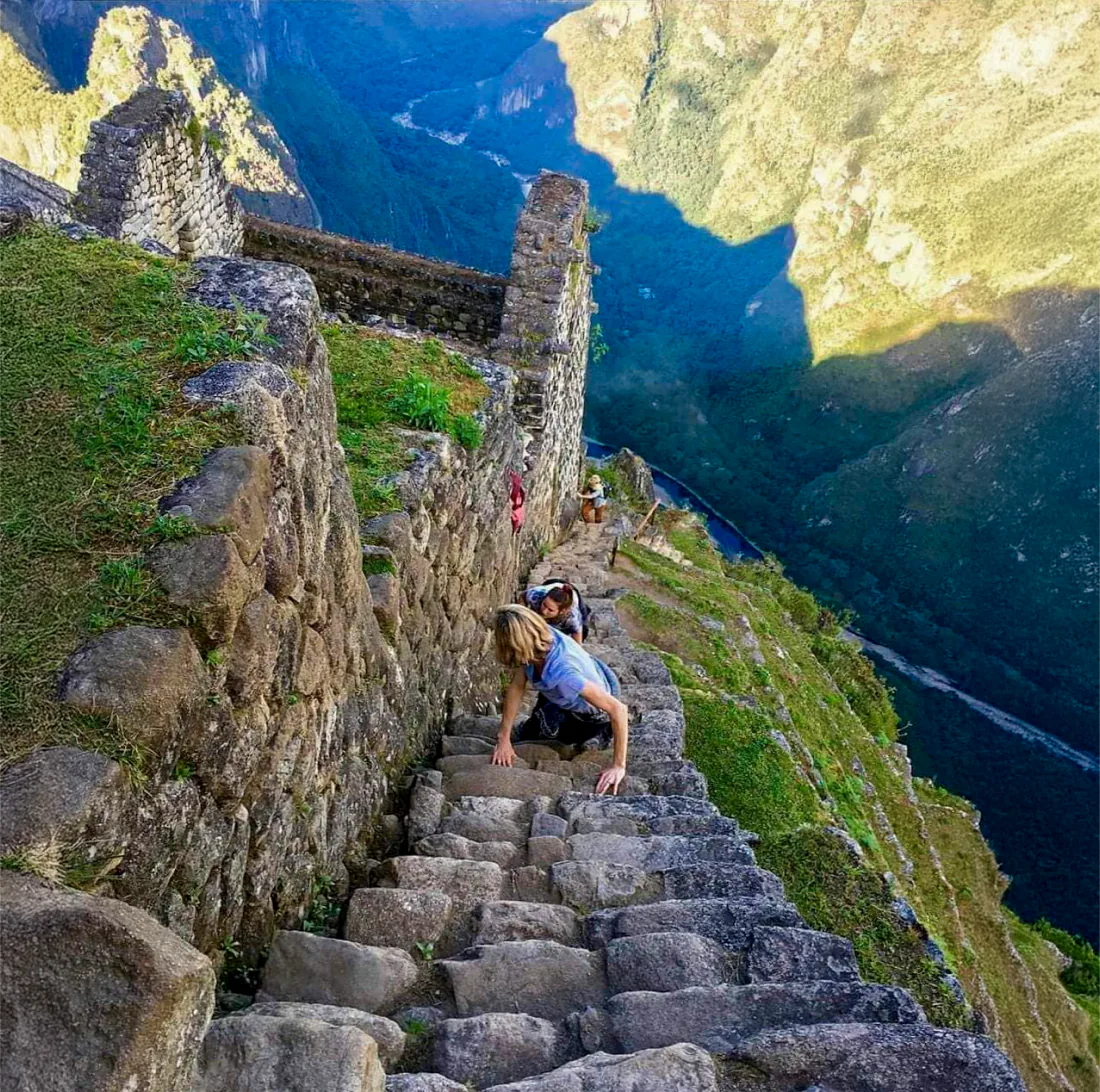
Hikers on a very steep stone stairway beside Inca walls on Huayna Picchu

A close look at the climb, rather than a promise of an effortless viewpoint.

Dedicated route 3-A · steep climb

03 / TEN · THE MOUNTAIN IN THE PHOTOGRAPH

The mountain
looking back.

Montaña Huayna Picchu · Waynapicchu

You have seen its outline behind Machu Picchu a hundred times. Climbing it is an entirely different relationship—with the view, the steps and your own knees.

A MOMENT IN HISTORY

Huayna Picchu has its own Inca-built structures and stepped paths. Today, the official visit system assigns the mountain its own route: 3-A, within Circuit 3.

Historical source ↗
SACRED-LANDSCAPE INTERPRETATION

A mountain can be more than a backdrop.

Research into Andean sacred landscapes invites us to see mountains as part of the meaning of a place, rather than scenery behind it. Here that idea is wonderfully difficult to ignore: the peak seems to watch over every terrace.

From below, its presence feels almost watchful. On the steps, the relationship becomes rather more practical: where to put your feet, when to pause, how much you appreciate your knees. You may arrive wanting to conquer a mountain and leave delighted simply to have spent time in its company.

Make it part of your trip

Choose route 3-A specifically if this climb is essential. It involves steep, exposed stone steps and is not a casual addition to every ticket. Check the current conditions and decide whether that experience suits everyone in your party.

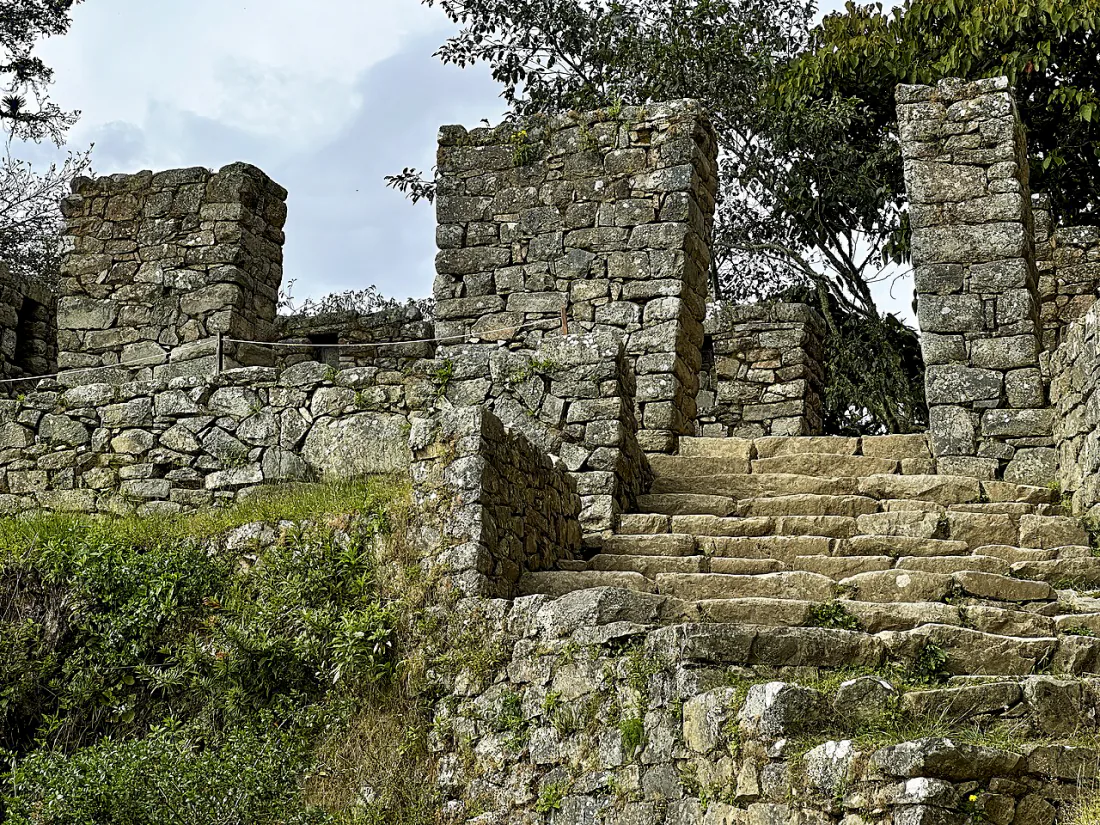
Stone steps and gateway remains at the real Intipunku above Machu Picchu

Stone steps lead to the gateway on Machu Picchu’s Inca road approach.

Route 1-C · seasonal operation

Photo: Steve FUNG · CC BY-SA 4.0 · Wikimedia Commons

04 / TEN · THE ART OF ARRIVING

Some entrances
change everything.

Intipunku · The Sun Gate of Machu Picchu

There is seeing a famous place. And there is approaching it on foot, with the landscape revealing itself a little at a time.

A MOMENT IN HISTORY

Intipunku belongs to the Inca road approach above Machu Picchu. The official panoramic route to it is 1-C, listed for the high season; Inca Trail arrivals follow their own permitted arrangements.

Historical source ↗
EDITORIAL STORY · THE MOMENT OF ARRIVAL

The moment before the reveal.

Picture the final steps towards a doorway you have crossed an ocean to reach. For a few seconds there is only stone, sky and anticipation. Then your eye finds the city in the landscape.

Nothing supernatural needs to happen. Your carefully organised trip has suddenly become a memory. The gate’s best story may be the one you bring to it—and the very quiet ‘oh’ you had not planned to say.

Make it part of your trip

Ask for the Machu Picchu Intipunku route, not the different Sun Gate near Ollantaytambo. Confirm seasonal operation for your date. A visit to this gate is not automatically included in an ordinary citadel ticket.

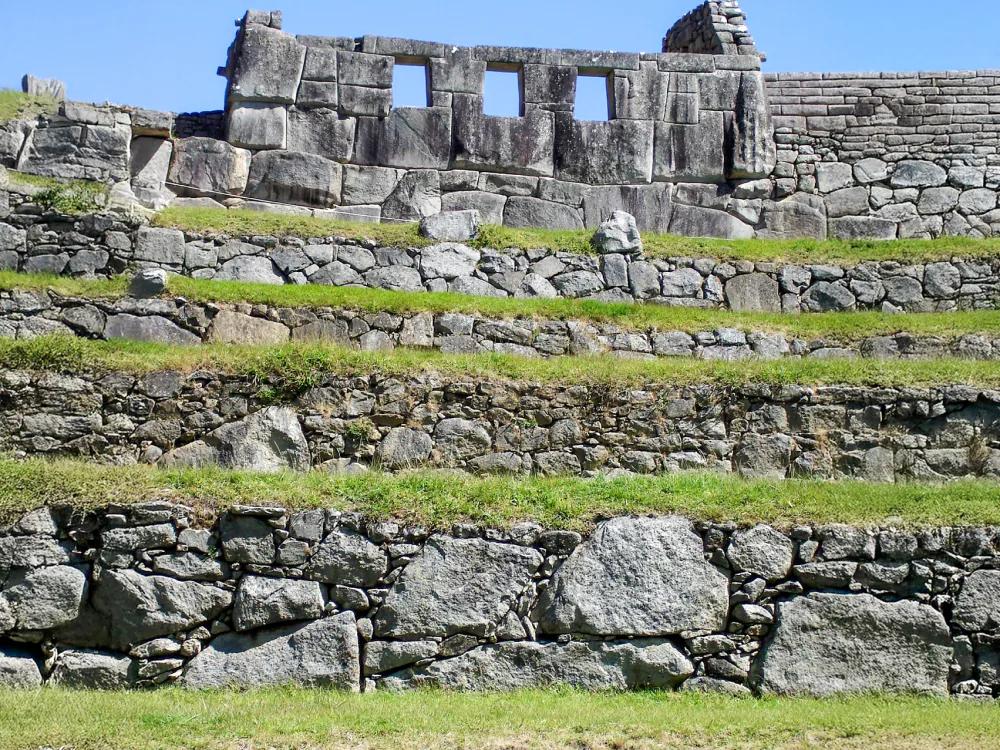
All three trapezoidal openings of the Temple of the Three Windows, with finely fitted stonework

All three windows remain visible in the editorial framing.

Confirm the permitted viewing point

05 / TEN · AN ORIGIN STORY IN THREE FRAMES

Three windows.
A world of beginnings.

Templo de las Tres Ventanas

Come for the monumental stonework. Stay with the small, rather lovely thought that a window can frame a landscape—or the beginning of a people.

A MOMENT IN HISTORY

Hiram Bingham linked these three openings to the Inca origin tradition of Tampu Tocco. His suggestion is part of exploration history, not proof that this building was the birthplace described in the myth.

Historical source ↗
INCA ORIGIN TRADITION · A HISTORICAL ASSOCIATION

The ancestors who came through windows.

In the origin tradition recalled by Bingham, ancestral founders emerged from the windows of Tampu Tocco and began the journey towards the foundation of Cusco. Beginnings came out of the earth before they became an empire.

Standing before three great openings, it is easy to understand why the story captured his imagination. Look through them with that ancient beginning in mind. Each window holds a landscape; together, they make room for a remarkable idea about where a people came from.

Make it part of your trip

If the Three Windows are a priority, confirm the permitted viewing point on the exact route you intend to buy. Do not rely on a monument name appearing in a map legend alone.

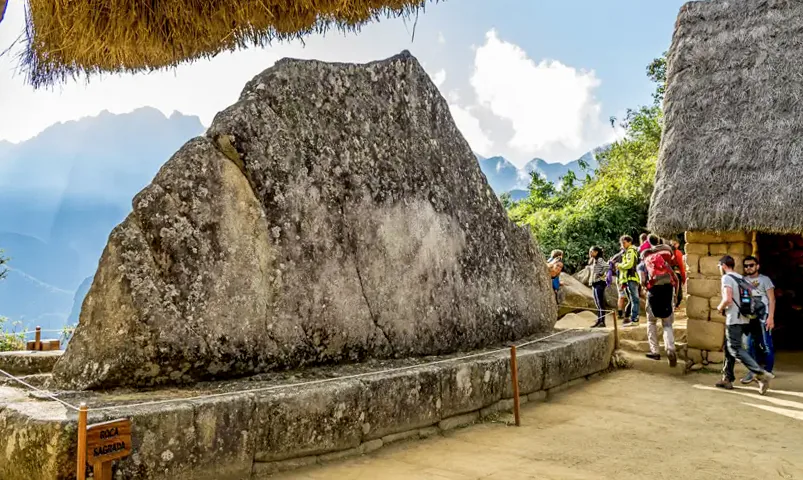
The broad mountain-shaped Sacred Rock on its stone base at Machu Picchu

Look at the stone’s outline, then let your eye continue towards the mountains.

Circuit-dependent access

06 / TEN · THE LANDSCAPE, WRITTEN IN STONE

A mountain
within a stone.

La Roca Sagrada

Before looking for a secret, look at the outline. Then look beyond it. The interesting part may be the relationship between the two.

A MOMENT IN HISTORY

Researchers have compared the rock’s profile with surrounding peaks. Johan Reinhard presents the mountain-representation reading as a plausible interpretation, not a proven explanation of its worship.

Historical source ↗
ANDEAN SACRED-ROCK BELIEFS · INTERPRETATION

When the landscape is also a presence.

Andean traditions can connect stones with powerful mountains and ancestral presences. That wider belief offers a way of approaching this rock: a smaller, tangible echo of a much larger world.

You need not touch it or test its ‘energy’. Give the silhouette your attention. The most generous thing a sacred place can offer a visitor is a different way to look.

Make it part of your trip

Keep to the marked visitor path and respect barriers. Ask us to check whether your intended route passes this sector; no touching or special access is promised.

ONE WONDER. YOUR WAY OF EXPERIENCING IT.

What brings you
to this moment?

Choose a starting point. Your preference helps frame the route conversation and will be included in the message you prepare for Chasqui.

What draws you here most?

A little context changes everything.

Start with the view you hope for, then the architecture you would most like to understand. Compare the exact route before buying; a photograph of a temple does not establish current close-up access.

Shape a route around me ↗
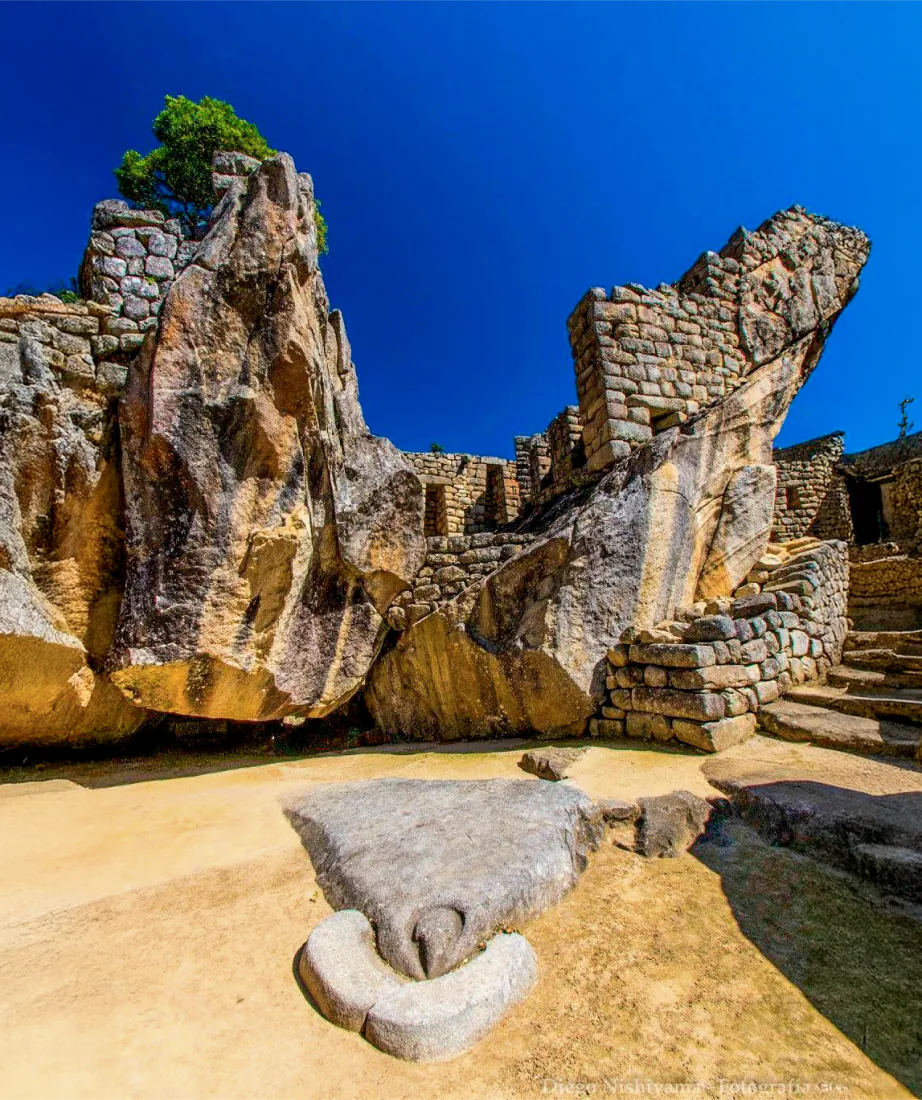
The natural rock formations and carved stone floor associated with the Temple of the Condor

Keep the carved floor and natural ‘wings’ together to see the whole idea.

View depends on your circuit

07 / TEN · THE BIRD HIDDEN IN THE ROCK

And then the stone
takes flight.

Templo del Cóndor

At first you see rock. Then a head, a beak, an immense suggestion of wings—and suddenly you cannot unsee the bird.

A MOMENT IN HISTORY

Archaeological descriptions connect the carved floor stone with a condor’s head and the surrounding rocks with its wings. The familiar name reflects this reading of the combined forms.

Historical source ↗
POETIC INTERPRETATION OF THE STONE FORMS

A bird that never needed to leave.

Imagine wanting to give a bird the permanence of a mountain without taking away its wings. Here, the suggestion of flight emerges from stone that has never moved.

Once your eye has found the bird, the rocks become an enormous act of imagination. Try looking again as if you had never seen it. Almost impossible, isn’t it? The condor has already taken up residence in your memory.

Make it part of your trip

Check the authorised route and viewing position for this sector. Let a knowledgeable guide help you read the forms from the permitted path; avoid treating dramatic stories about sacrifice or prisons as established fact.

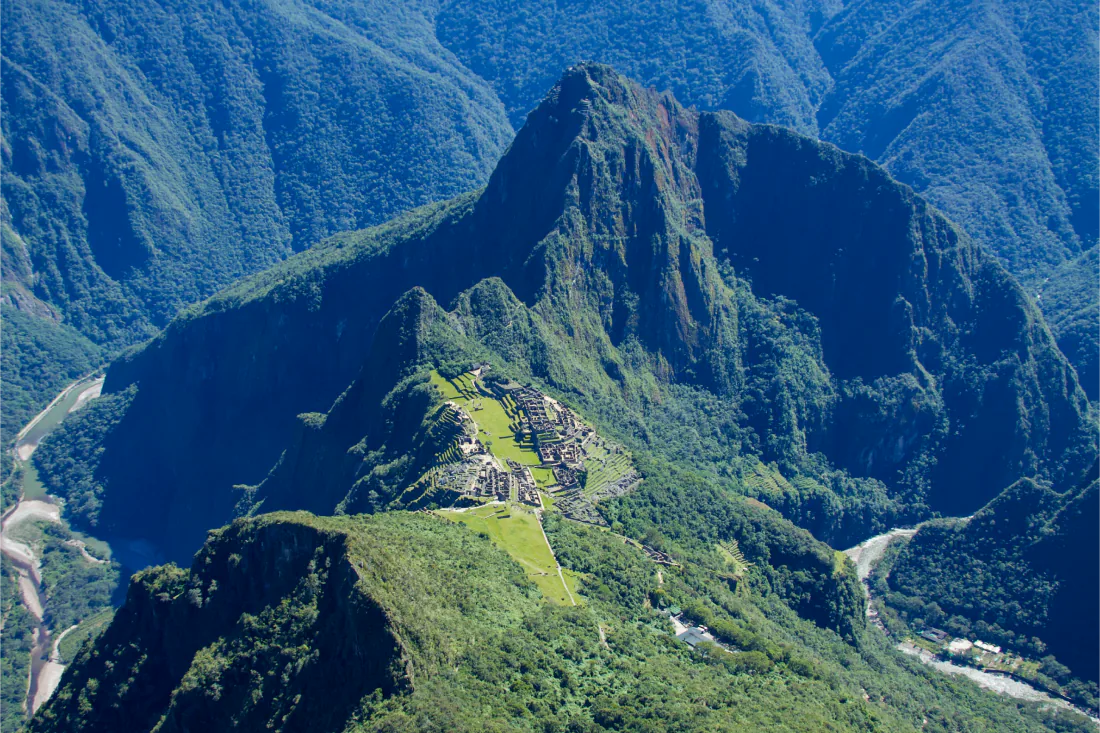
A view from Machu Picchu Mountain towards the citadel, Huayna Picchu and the Urubamba valley

View from Machu Picchu Mountain; the peak ahead is Huayna Picchu.

Dedicated route 1-A · sustained climb

Photo: McKay Savage · CC BY 2.0 · Wikimedia Commons

08 / TEN · A LITTLE DISTANCE. AN ENTIRELY NEW VIEW.

Step back.
See the whole wonder.

Montaña Machupicchu · A different mountain from Huayna Picchu

From this side, the famous city becomes a small, astonishing decision in a vast landscape. You begin to see the setting as part of the masterpiece.

A MOMENT IN HISTORY

The official mountain route is 1-A, within the panoramic circuit. It is a separate choice from Huayna Picchu’s 3-A route; the similar names do not describe the same climb.

Historical source ↗
EDITORIAL REFLECTION · THE SACRED SETTING

The story that gets bigger as the city gets smaller.

A photograph usually asks you to move closer. A mountain sometimes asks the opposite. As the terraces shrink below you, the river, forest and ridges begin to tell a larger story.

Perhaps that is this view’s gift: for a moment, the place stops being something to collect and becomes a world you are lucky to enter. You came for a closer look. You may discover that a little distance brings you closer still.

Make it part of your trip

Request route 1-A explicitly if this mountain is your goal. Allow for a sustained climb, changing weather and a view that clouds may obscure. A mountain ticket should not be assumed to include every urban-sector monument.

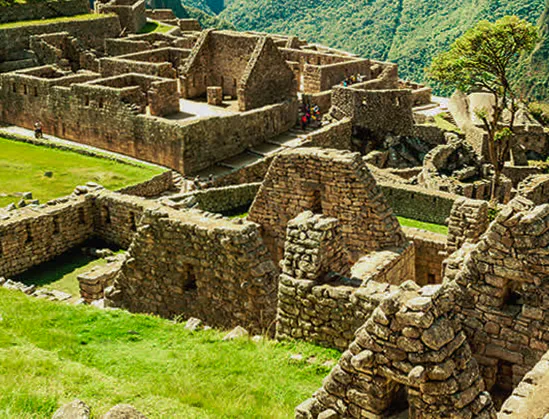
Stone-built residential rooms and courtyards at Machu Picchu

Residential architecture at Machu Picchu; no particular room is presented as a proven royal bedroom.

Confirm the residential-sector route

09 / TEN · BEHIND THE IMPERIAL IMAGE

Even an emperor
needed a home.

La Residencia Real · Palacio del Inca

Among the grand theories and monumental stones, the idea of ordinary life can be the most absorbing detail of all.

A MOMENT IN HISTORY

Machu Picchu is widely interpreted as a royal estate associated with Pachacuti’s lineage. A 2023 DNA study revealed diverse origins among people buried here who are understood to have served the royal establishment.

Historical source ↗
A HUMAN STORY GROUNDED IN RESEARCH

The people outside the emperor’s portrait.

It is tempting to picture only an emperor in these rooms. Research asks us to widen the scene: the people who maintained the estate also had lives, relationships and origins far beyond this ridge.

Picture the work, the conversations and the long journeys that brought people here. Then let the walls become more than an emperor’s address: imagine the life required to make this extraordinary place function, season after season. The human scale is a wonder of its own.

Make it part of your trip

Ask for a route that suits your interest in the residential and royal sectors. ‘Royal Residence’ is an archaeological visitor label, not a guarantee that we can identify precisely where an emperor slept. The supplied photograph illustrates residential architecture at the site.

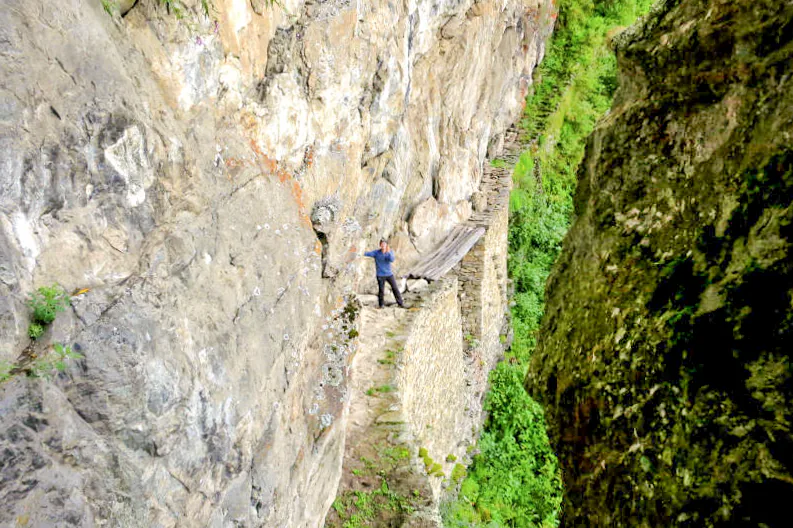
A narrow Inca-built access path along the sheer cliff at the Inca Bridge sector

The approach and cliff provide the scale. Crossing the gap is not the experience offered here.

Route 1-D · seasonal operation

10 / TEN · INGENUITY AT THE EDGE

The path that makes
you look twice.

El Puente Inka · The cliffside approach

A cliff. A narrow line of stonework. And the realisation that someone looked at this mountainside and saw a way through.

A MOMENT IN HISTORY

The cliffside bridge sector preserves an Inca access route. Conservation work on its approach included stabilising masonry and restoring drainage; DDC Cusco announced the route’s reopening on 30 September 2026.

Historical source ↗
EDITORIAL STORY · THE INGENUITY OF A PATH

The mountain that did not end the journey.

Some paths explain a civilisation more vividly than a palace. Here, what stays with you is the nerve and patience required to turn an apparently impossible edge into a connection.

Follow that thin line with your eyes and think of the hands that built it. Then give your own feet a grateful glance. From the permitted viewing area, you can admire an extraordinary solution to a very difficult landscape—and remain thoroughly pleased to be on this side of it.

Make it part of your trip

The official approach is route 1-D, listed as seasonal. Reconfirm operation for your date, follow the marked viewpoint and barriers, and do not plan to cross the bridge gap. Reopening news does not guarantee availability on a future day.

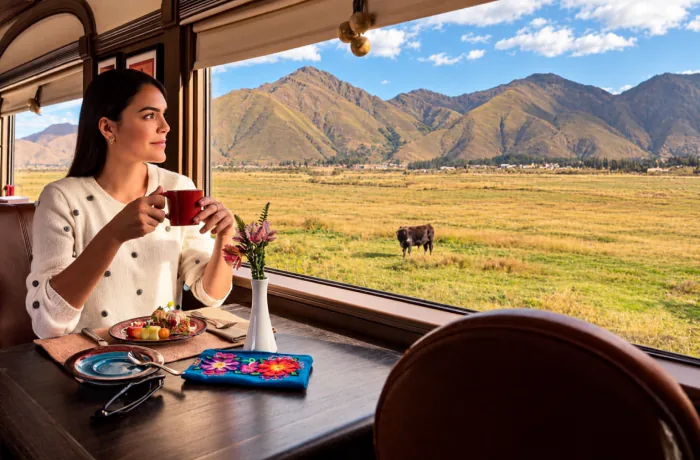
Illustrative editorial scene of a traveller enjoying a cup beside a train window
Illustrative train scene · AI-assisted editorial reworking of a supplied image.

THE JOURNEY DESERVES A CHAPTER TOO

Give the window
your attention.

There is pleasure in the anticipation: a cup in your hands, a landscape unfolding, the feeling that you are finally on your way.

Let us help you think through the connections around your entry time. Your train, hotel, guide and ticket arrangements are discussed and confirmed individually.

Help me connect the journey ↗

A LITTLE CLARITY BEFORE YOU BOOK

Choose the experience.
Then choose the ticket.

A ‘Machu Picchu ticket’ is not a promise of access to every place on this page. Start with what matters most, then check the exact authorised route for your date.

1

The bigger view.

The panoramic circuit offers distinct options for the upper terrace, Machupicchu Mountain, Intipunku and the Inca Bridge. These are separate routes; Intipunku and the bridge are listed as seasonal.

2

The classic encounter.

The classic circuit has two routes. If your priorities are particular temples or viewpoints, compare the exact route map and confirm the permitted view before committing.

3

The royal sector.

The royal circuit has its own routes, including the dedicated Waynapicchu Mountain option. A mountain climb changes the effort and shape of the visit.

Route names and seasonal designations: Ministry of Culture · official circuits and maps ↗. Reviewed 24 October 2026. Check operation and entry conditions for your actual date.

Help me choose around my priorities ↗

One visit. Make it feel like yours.

Pick the places that make you curious. We can start there.

Back to the ten wonders ↑

YOUR FIRST GOOD DECISION

Which visit
are you imagining?

The Ministry of Culture lists three circuits and ten routes. Think in experiences first, then compare the exact official map.

A practical way to choose your experience
Your priorityStart by comparingWhat changes the dayConfirm before paying
Panoramic viewsCircuit 1 and its named routeUpper-terrace, mountain and seasonal extensions are different choicesWhether the route includes the architecture or viewpoint you expect
The classic encounterThe two Circuit 2 routesEach has a defined path through the siteExact route, entry time and current permitted stops
Royal sector / WaynapicchuCircuit 3 and the chosen routeA mountain route has a different effort and time commitmentMountain inclusion, restrictions and suitability for your group
Intipunku / Inca BridgeThe respective seasonal routeAvailability depends on the operating season; an Inca Trail arrival is a different productYour date, route and access rather than a generic “full site” promise

A LITTLE LESS CHECKLIST. A LITTLE MORE JOURNEY.

Make the moments
belong together.

These plans describe the shape of a journey. Actual tickets, train departures, queues and your wider ascent plan decide the detail.

01

ONE VISIT DAY / TIGHTER CONNECTIONS

One carefully connected visit

  1. Start with a confirmed entry route and work backwards through train and shuttle arrangements.
  2. Carry only what the visit and your train baggage policy allow.
  3. Leave a sensible return margin; resist adding a second ambitious activity.

A day trip may be feasible on particular services. It needs a real connection check, not a promise based on a map.

02

ONE NIGHT IN MACHU PICCHU PUEBLO

Sleep closer to the beginning

  1. Arrive in town with time to find your hotel, meet your guide and prepare the morning.
  2. Visit on your booked route, allowing for the ascent connection and entry requirements.
  3. Have a meal and retrieve luggage before the confirmed return train.

Useful for reducing the number of connections before entry. Check room noise, breakfast and luggage storage.

03

TWO NIGHTS OR A TREKKING PLAN

Make the journey a chapter

  1. Allow a slower arrival and space around the visit.
  2. Consider a second visit only with its own suitable ticket; do not assume re-entry.
  3. For an Inca Trail journey, use an authorised operator and a separately confirmed permit itinerary.

An overnight plan and a trek are different arrangements. Extra nights do not grant extra site access.

THE USEFUL DETAILS, IN ONE PLACE

Machu Picchu travel essentials.
More anticipation. Fewer surprises.

01

Best time to visit

May–October is a useful drier-season starting point; November–April is generally wetter. Mist and showers still belong to this mountain landscape. The famous clear panorama is never guaranteed at a particular hour.

Seasonal routes have their own operating rules. Check those against your date, not a generic “best month” article. If travelling on foot, verify the current Inca Trail programme and any maintenance or weather closures with the official authority and your operator before committing.

02

Things to know

Carry the identification and entry confirmation required by your booking; check the current official conditions before leaving town. Arrange guiding, meeting point and the exact route in advance. A photograph of a temple on a website is not evidence that your route enters it.

Use grippy footwear and appropriate rain and sun protection. Follow the marked path and staff instructions. Assess steps, exposure and mountain routes honestly. Your wider journey through Cusco may reach substantially higher elevations than the citadel; plan the ascent as a whole.

03

Transportation

Most rail-based visits combine a road or city-to-station connection, a train to Machu Picchu Pueblo and an ascent to the entrance. Read your precise station, departure type, baggage allowance and check-in instructions.

The town is not the citadel entrance. Build time for the shuttle or agreed walking ascent and any queues. Reconfirm the return plan and luggage collection. Do not place an international flight immediately after an uncertain train-and-road chain.

04

Best road trips

The useful road chapter is usually the Sacred Valley before or after the rail journey: a town visit or a well-paced archaeological stop can make the transfer meaningful.

There is no ordinary drive-up road from Cusco straight to the citadel. Routes advertised via Hidroeléctrica add substantial road and walking arrangements; investigate the complete journey, current access and return before treating one as a cheap equivalent. A driver to Ollantaytambo and a train to town are also separate services unless explicitly included.

05

Money and costs

Compare the complete visit: site route and date, train in both directions, station transfers, ascent connection, guide, accommodation and meals. Nationality, age category and the selected route can affect admission; use the official ticket system for the price that actually applies.

Check changes, cancellations and missed-connection conditions for each supplier. A restaurant reservation, a hotel booking or a general Cusco ticket does not buy site access. Carry some soles for small purchases and keep booking confirmations accessible offline.

06

Travelling with kids

First choose a route suitable for the actual ages and walking ability in your group. Then check age restrictions, steps, toilet arrangements, journey length and the operator’s guidance. Mountain routes are not interchangeable with the main visit.

A room in town the night before may make the morning simpler, depending on your services. Arrange food and breaks around the visit’s rules. An adult should make enquiries; Chasqui does not need children’s identifying details. Obtain individual travel-health advice for the wider high-altitude itinerary.

07

Get connected

Download entry confirmations, rail bookings, hotel details and the guide’s meeting instructions before travelling. Keep a second accessible copy that does not depend on a live inbox or a QR code loading over mobile data.

Tell the guide how to identify you if messaging is unavailable. Charge your phone and power bank in town; do not assume charging facilities during the visit. This guide can be read offline, while current availability checks and WhatsApp still require connectivity.

A DESTINATION HAS A FLAVOUR, TOO

Before the climb.
After the wonder.

Food planning here is about place and timing: breakfast before departure, a meal in town and enough margin to reach the train.

01 / FIND YOUR APPETITE

A breakfast that fits

Ask your hotel when breakfast starts and whether a takeaway is possible for your actual departure. A published breakfast inclusion does not guarantee an early service.

02 / FIND YOUR APPETITE

A warm Andean soup

An easy meal in town can be welcome after travel. Ask what is in the stock and choose according to your appetite and dietary needs.

03 / FIND YOUR APPETITE

Trout or a regional plate

Explore the current restaurant menu rather than expecting every dish from the Cusco region. Discuss preparation, ingredients and total price before ordering.

04 / FIND YOUR APPETITE

A proper pause

Protect the time to eat, collect your bags and reach the station. The best dessert is less enjoyable when you are calculating a sprint.

Menus and recipes vary. Discuss allergies and dietary requirements directly before ordering; a particular dish or seat needs its own confirmation.

THREE DIFFERENT REASONS TO STOP

Choose the occasion.
Then choose the table.

A distinctive town restaurant

Indio Feliz

Its own contact page places it at Calle Lloque Yupanqui 103 in Machu Picchu Pueblo. Consider a relaxed meal in town and confirm your booking and service time directly.

Peruvian cooking in Machu Picchu Pueblo

Chullos

A town-based option to compare for lunch or dinner. Ask for today’s menu and a realistic service time if you have a fixed train; a table booking is separate from transport.

A separately arranged meal near the entrance

Tampu · Sanctuary Lodge

Belmond currently allows non-residents for breakfast and lunch subject to availability; dinner is for hotel guests. Confirm access, reservation and total before building the visit around it.

CHOOSE THE NIGHT, TOO

The right base
changes the day.

Pick the room and location that fit your actual route. These are base types to compare, not confirmed hotel offers.

01

Machu Picchu Pueblo

Close to the morning ascent connection. Check the exact room’s rail, river or street noise, breakfast time and luggage storage after checkout.

02

Ollantaytambo / the Valley

A useful rail-side chapter if your train and entrance times align. Confirm the station transfer and do not confuse a Valley stay with already being at the site.

03

Cusco

Works for a broader city stay and some connected visit days. Test the whole outward and return chain before committing to the ticket slot.

SMALL CHECKS. A MUCH BETTER TRIP.

The mistakes you
don’t need to make.

Twelve useful checks, organised around the moment when they can make a difference.

Before you pay
  1. Buying a familiar name instead of a route. Compare the official route map with the places you most want to experience.
  2. Assuming ten landmarks fit one ticket. A wishlist spans different routes; choose priorities and verify access.
  3. Confusing the two mountains. Waynapicchu and Machupicchu Mountain are separate climbs and ticket choices.
  4. Paying for seasonal access without checking the date. Intipunku and the bridge approach have their own route availability.
Before you leave town
  1. Treating the station as obvious. Use the exact departure and check-in details on the rail booking.
  2. Taking main luggage onto a restricted service. Check the train allowance and arrange storage before departure.
  3. Meeting the guide by a vague landmark. Agree a precise place, time and fallback contact plan.
  4. Forgetting the ascent connection. Train arrival in town is not arrival at the archaeological entrance.
Before the return journey
  1. Relying on re-entry for a second look. Plan a single authorised visit unless another valid booking is confirmed.
  2. Making lunch collide with the train. Allow for service, bags, the walk and check-in.
  3. Treating a transfer chain as a flight guarantee. Keep margin before fixed onward travel.
  4. Assuming a saved idea is booked. Only the supplier’s dated confirmation establishes the service.

KEEP THE JOURNEY CONNECTED

And then?
Choose the next chapter.

Connect regions and neighbourhoods with the travel time in mind.

Cusco

Return to the city’s museums and quieter streets rather than making the whole region a connection corridor.

Open the Chasqui guide ↗

LESS SEARCHING WHEN YOU GET THERE

Keep the useful
part with you.

Save this HTML file to read its text and photographs offline. Your shortlist lasts for this page session; use Copy message below to keep the plan in your notes. External links and WhatsApp still need a connection.

Prepare my own trip summary ↗

The browser opens the print window. No message is sent and no service is booked by this page.

About this integral guide & its sources

Planning expansion reviewed on 25 October 2026. The original landmark chapters retain their own historical, story and photograph credits. These itineraries and comparisons are editorial suggestions, not confirmed departures, availability or individual medical clearance.

Current access, specific room facilities, menus, prices and transport should be reconfirmed for the travel date. No new landmark or hotel photographs were generated for this expansion. Existing photo provenance and publication conditions remain in the original credits below.

LET’S TURN CURIOSITY INTO YOUR JOURNEY

Your wonder.
Your pace.
Your Machu Picchu.

Tell us what you want to feel: the iconic view, the meaning behind the stones, the satisfaction of a mountain climb—or an arrival on foot. We can help you think through the right route and how it fits your wider Peru journey.

Send us your favourites. We can start with the places that made you pause.

Fernando Novoa, founder and curator of Chasqui
Fernando NovoaFounder & curator · Chasqui

Our travel assistance is free.
Chasqui may earn a commission from providers when you book through us. Tickets, transport, guiding and other paid services have their own costs and conditions, confirmed before you commit.

LET’S START WITH YOUR IDEAS

What would make this unforgettable?

YOUR SAVED PLACES

Your shortlist starts with the places that catch your imagination.

We will check the route against your priorities before suggesting a plan.

Explore or change my places ↑

What draws you here: The view & the stories Change

A few details that make the plan fit

For adults 18+. No passport, card or medical information is needed for this enquiry.

Preview my WhatsApp message

MACHU PICCHU — Hi Chasqui, I’d love help choosing my visit to Machu Picchu. Please help me choose the places and pace that fit my dates.

Start my Machu Picchu conversation

Opens WhatsApp with a message you can review and send. Your choices stay in this page until you send them yourself. This does not reserve a ticket.

About the stories, photography & sources

This guide follows the ten places selected for the Chasqui Machu Picchu edition. It is an invitation to choose, rather than a measured popularity ranking or a single bookable ten-stop circuit. Last editorial review: 24 October 2026.

Historical information is distinguished from traditional belief, scholarly interpretation and original editorial storytelling. The Tampu Tocco origin tradition is presented through Bingham’s historical association with the Three Windows; that association is not proven archaeology. Solar beliefs concern wider Inca religion. Other poetic passages are contemporary reflections, not newly documented local legends. No supernatural or healing effect is promised.

Routes, barriers, permitted views, entry conditions and seasonal operation must be checked for the actual date. The Intihuatana sector needs specific access confirmation. Photographs may predate current restrictions. Climbs differ from ordinary citadel walks: choose an experience suitable for your party and follow site instructions.

Photography

Most images come from the supplied Chasqui folder. Authorship and prior editing were not independently verified. Originals remain unchanged. The misleadingly named Sacred Rock JPG and the Kachiqhata Sun Gate photograph were excluded from their respective chapters.

The twelve selected photographs received non-generative light and colour adjustments in Adobe, with conservative horizon levelling where suitable, followed by editorial framing in Figma. The train vignette is an AI-assisted editorial reworking of supplied 1007mp.jpg, composed and exported in Figma. It illustrates the feeling of a journey; it does not establish the facilities, route or views of a particular operator. No generative reconstruction was applied to the named archaeological features.

The Royal Residence photograph illustrates residential architecture at Machu Picchu. Its exact group identification is unconfirmed; no room is presented as a proven royal bedroom. Intipunku and the view from Machu Picchu Mountain use the credited photographs below.

Intipunku · The Sun Gate of Machu PicchuSteve FUNG · CC BY-SA 4.0 · Wikimedia Commons
Colour adjustment and layout framing; photographic licence retained.
Montaña Machupicchu · A different mountain from Huayna PicchuMcKay Savage · CC BY 2.0 · Wikimedia Commons
Colour adjustment and layout framing; photographic licence retained.
Licence textsCC BY-SA 4.0 · CC BY 2.0
Back to the beginning ↑
TEN WONDERS TO DISCOVER
Your own Machu Picchu.
Plan my visit ↗