ChasquiES

CUSCO, PERU · TEN PLACES, A THOUSAND STORIES

You came for Machu Picchu.Cusco stays
with you.

A sun you could tie to a stone.
A love that challenged an emperor.
A mountain with a generous heart.

Discover the places you have dreamed of—and the stories that make standing there feel entirely different.

Take me into the stories
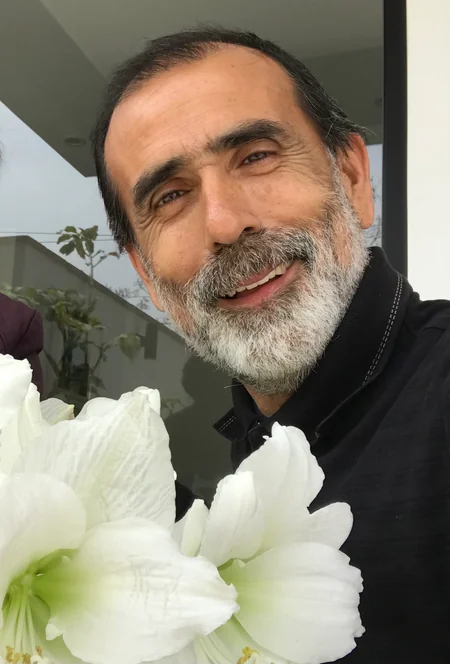
Fernando Novoa, founder and curator of ChasquiA personal point of view. A little curiosity.
Fernando Novoa · Your Chasqui curator
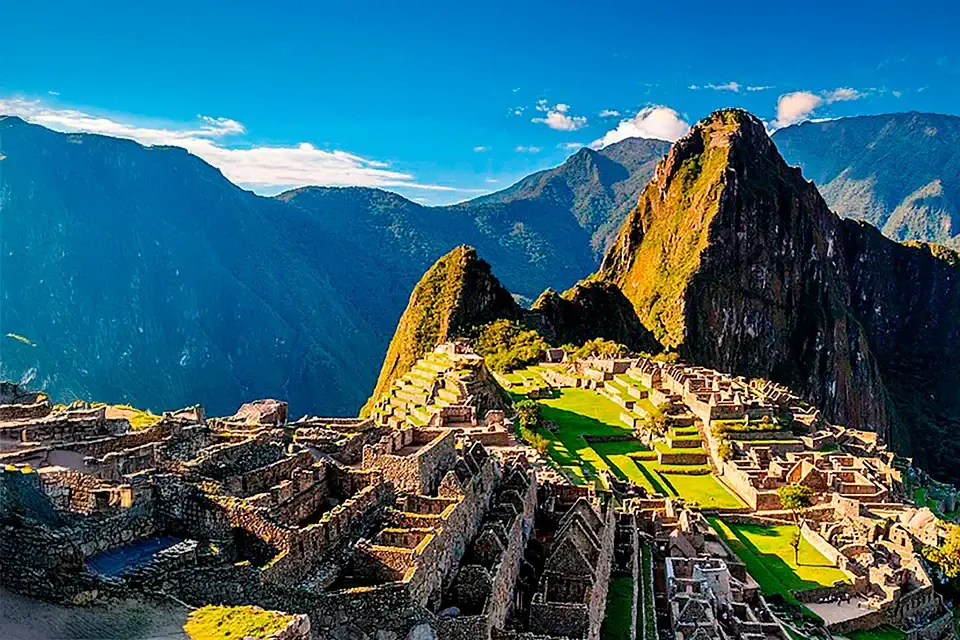
Machu Picchu’s terraces and Huayna Picchu in the Andean mountains
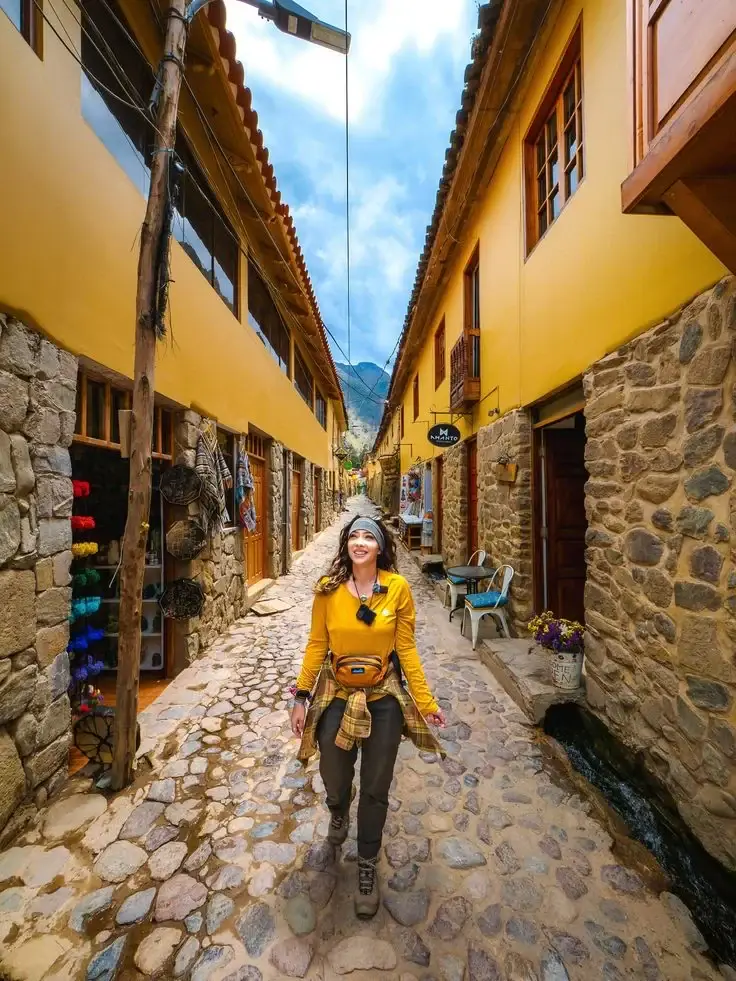
A traveller carrying a camera in a cobbled Cusco street
10 PLACES.So many
stories.
YOUR KIND OF PERU.
01

FEEL THE PLACEPhotographs that invite you in.

02

KNOW ITS PASTA little history. A different way of seeing.

03

MAKE IT YOURSSave the places that move you.

A selection across Cusco city, the Sacred Valley and the high Andes. Let your time and pace shape the journey.

THE PLACES ARE REAL. THE WONDER IS PERSONAL.

Some journeys fill a camera.
Others stay with you.

You might remember the first glimpse of Machu Picchu. You might also remember a woodcarver’s story, a quiet courtyard, or the moment a wall made you forget what you were about to say.

Here are ten places worth making room for. Each comes with a historical detail, a traditional story and a reason to experience it in your own way.

History and legend are presented separately. These are our retellings of documented traditions; some belong to the wider region or cultures encountered along the way.

Machu Picchu’s stone terraces and buildings beneath Huayna Picchu, surrounded by steep Andean mountains.

01 / TEN · Beyond the city

The view you came for.
The story you take home.

Historic Sanctuary of Machu Picchu

Let the terraces unfold beneath you. For once, your camera can wait thirty seconds.

A MOMENT IN HISTORY

Built in the fifteenth century, Machu Picchu combines ceremonial, residential and agricultural spaces with an extraordinary mountain setting. UNESCO inscribed the sanctuary in 1983.

Traditional interpretation · Intihuatana

The stone that could hold the sun

As the days grow shorter, imagine a world waiting for the sun to return. The familiar story attached to the Intihuatana gives that hope a beautiful form: the sun could be tethered, persuaded to remain with the people who depended on its warmth.

The name is commonly translated as the place where the sun is tied. It turns a carved stone into an image of the relationship between sky, crops and human life. This is a symbolic retelling inspired by the name; the monument’s exact ritual functions remain a matter of interpretation. Look at the mountain light, and the idea becomes unexpectedly moving.

Make it part of your trip

Coordinate the entrance route, date, trains and transfers together. Access to particular monuments and viewpoints depends on the authorised circuit.
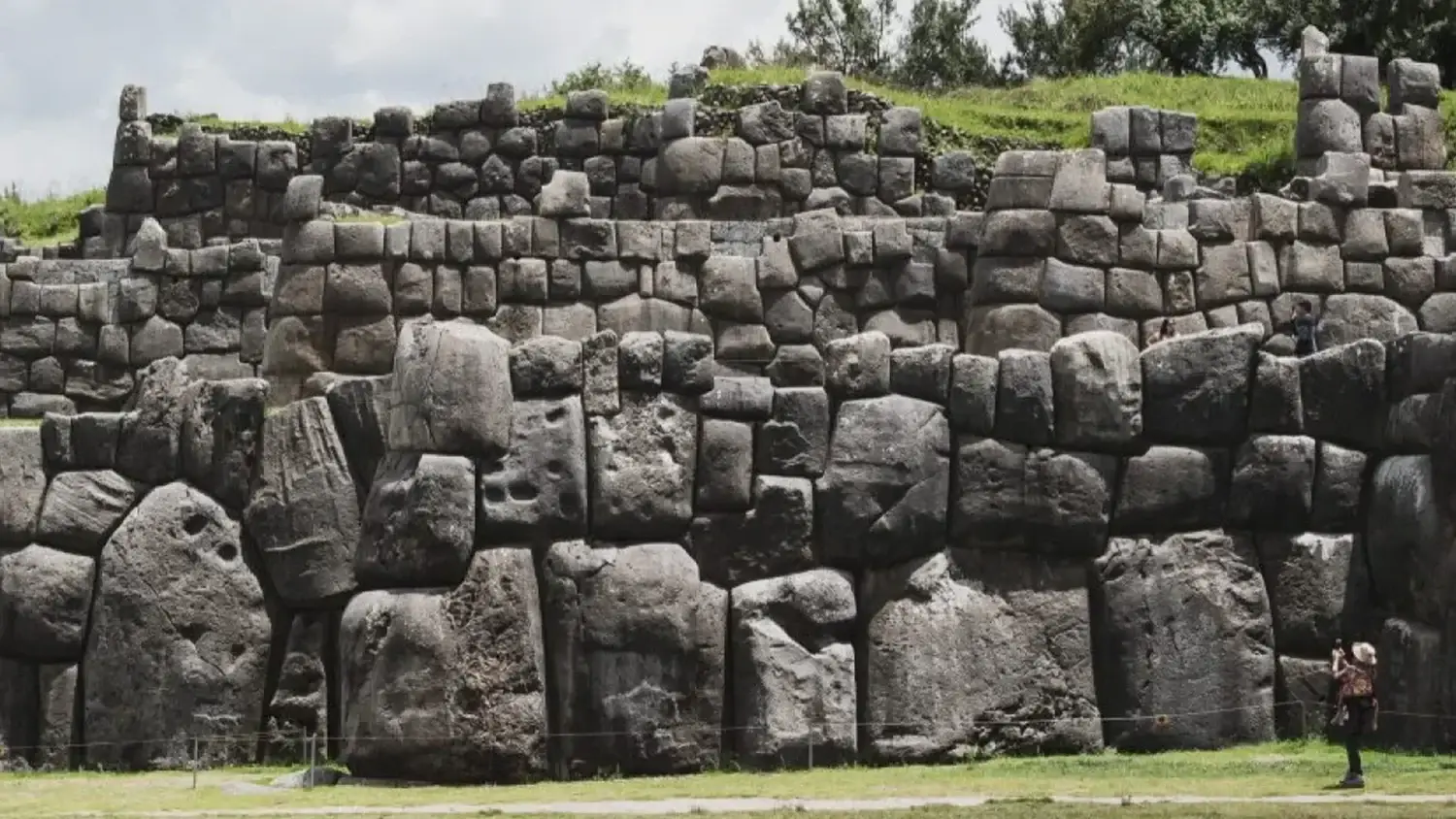
Enormous interlocking stone blocks form the terraced walls at Saqsaywaman above Cusco.

02 / TEN · Above Cusco

Some walls make you wonder.
These have a secret underneath.

Saqsaywaman Archaeological Park

Stand beside the great stone joints, then look back towards the city they have watched for centuries.

A MOMENT IN HISTORY

Cusco’s cultural authority traces construction to Pachakuteq and his successors. During the colonial period, stones from the complex were reused in churches and houses in the city below.

Cusco legend · the chinkanas

The explorer with the golden maize

A group of adventurers enters the chinkanas, the mysterious passages associated with Saqsaywaman. In the version retold by Peru’s public broadcaster, their search for hidden treasure becomes a disappearance. Then, long afterwards, a man is discovered inside a church: one of the missing explorers, barely alive.

He dies before anyone can save him. From his hand falls a cob of maize made of gold. The treasure, the story says, is melted into two crowns for the Virgin and the Christ Child. The legend leaves you with a delicious question: how much of a city’s imagination lies beneath its streets?

Make it part of your trip

Enjoy the walls and authorised routes. The tunnel tale belongs to the storytelling; your visit follows the park’s permitted paths.

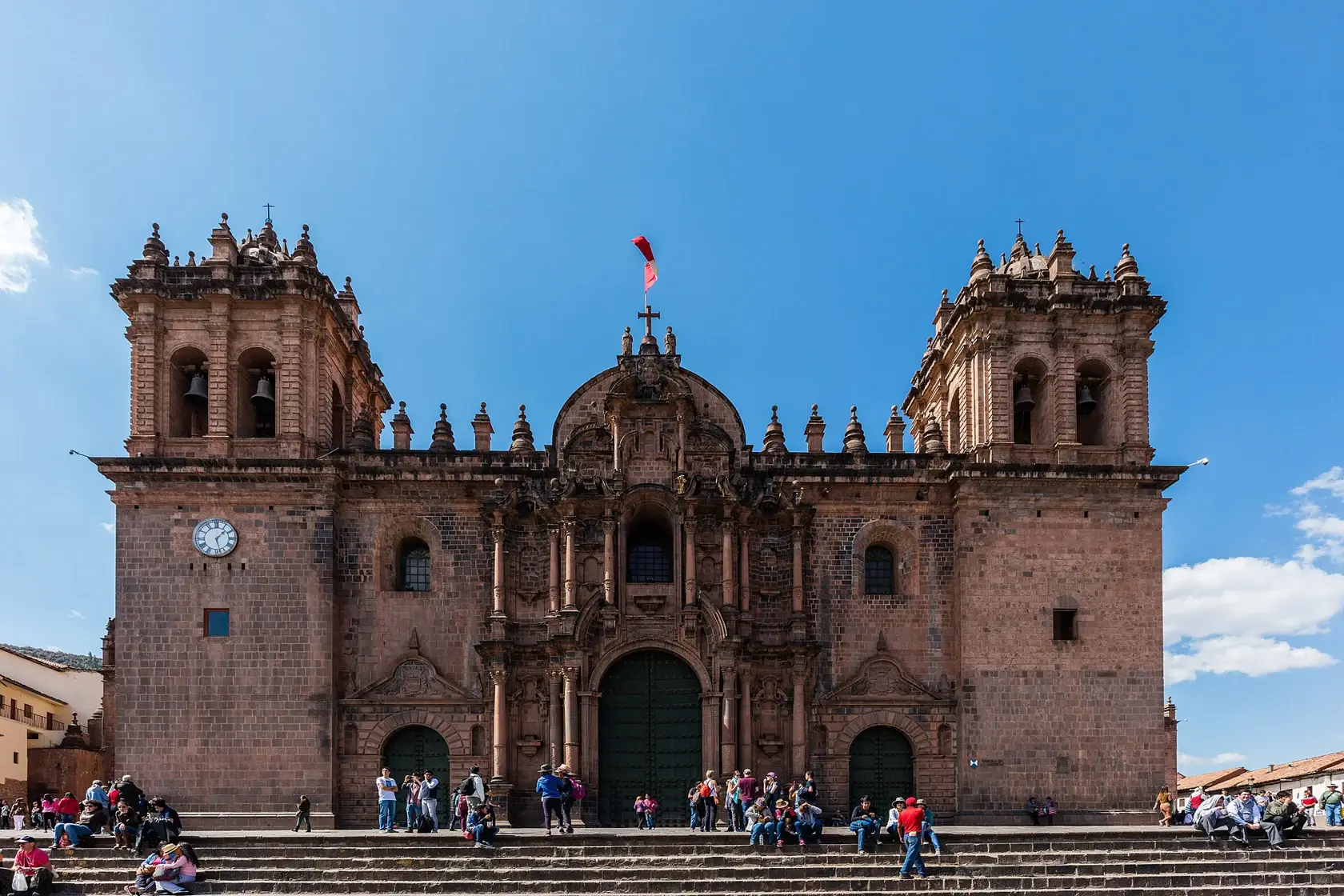
Cusco Cathedral’s two stone bell towers and carved façade facing people in the Plaza de Armas.

Photo: Diego Delso · CC BY-SA 4.0 · Wikimedia Commons

03 / TEN · Cusco city

A square full of life.
A city’s faith inside.

Plaza de Armas and Cusco Cathedral

Linger over a coffee in the square, then step into the Cathedral’s quieter world of paintings and devotion.

A MOMENT IN HISTORY

Cusco Cathedral was built between 1560 and 1664 on the site associated with the Inca Wiracocha’s palace. Its interior holds celebrated works of the Cusco School of painting.

Living devotional tradition · 1650

The Christ who stilled the earth

In 1650, an earthquake tears through Cusco. Walls fail, people flee into open spaces, and the city turns to a figure of Christ. Devotional tradition credits the image, carried out among the frightened people, with bringing the shaking to an end.

He becomes the Señor de los Temblores, the Lord of the Earthquakes. The documented disaster and the faithful’s account of a miracle have travelled together through the centuries. Today, his significance is held in a living relationship between the image and the city. Enter the Cathedral with that in mind: you are walking into a place people still turn to.

Make it part of your trip

Allow time for both the square and the Cathedral. Worship and visiting conditions can affect access; respect the photography rules inside.

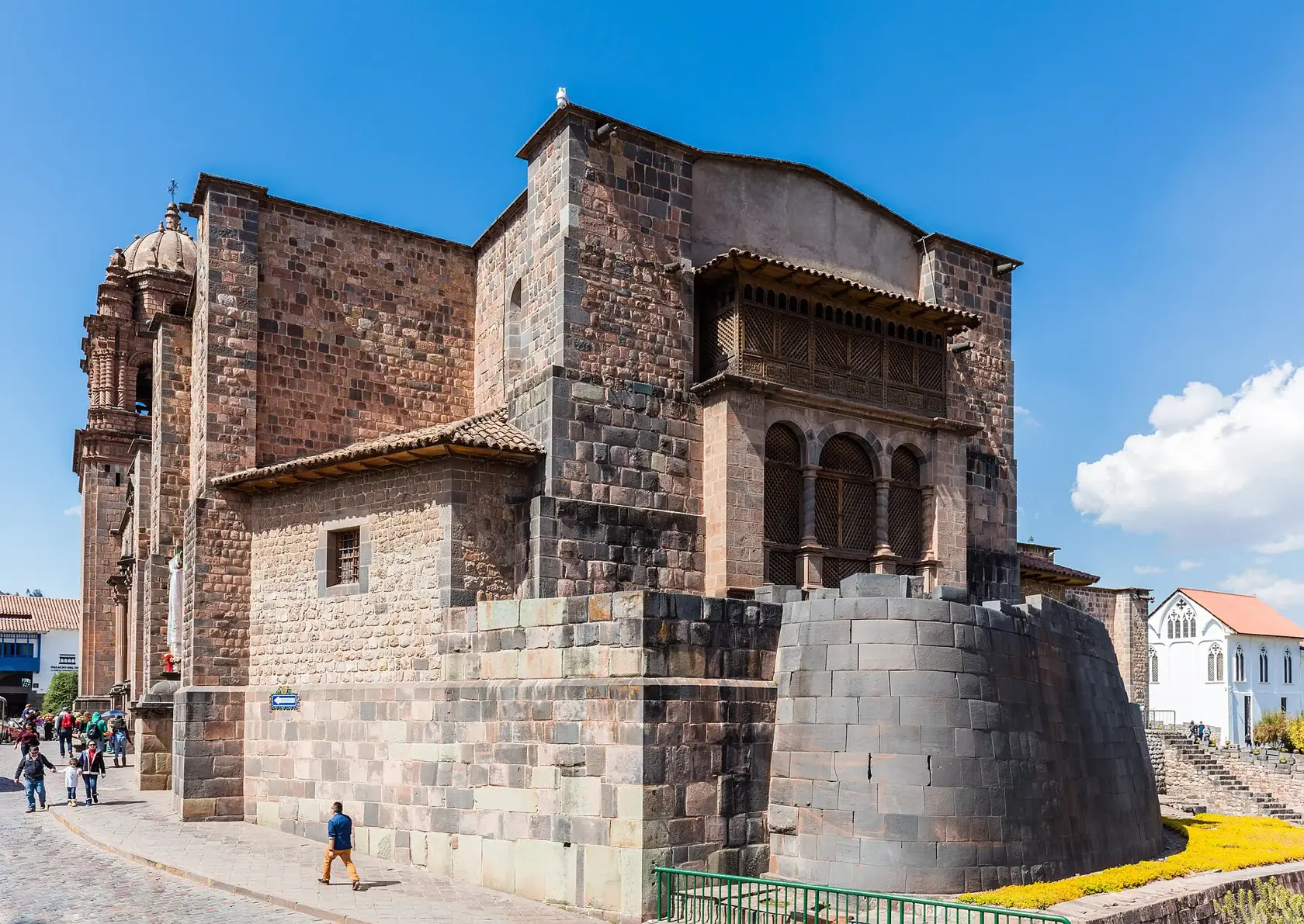
The colonial Santo Domingo complex rises above Qorikancha’s carefully fitted curved Inca stone wall.

Photo: Diego Delso · CC BY-SA 4.0 · Wikimedia Commons

04 / TEN · Cusco city

Where the sun had
a home of its own.

Qorikancha · Temple of the Sun

Follow the curve of the Inca wall and notice how two chapters of Cusco occupy the same building.

A MOMENT IN HISTORY

Qorikancha was a principal sanctuary of Inti, the Inca sun deity. After the Spanish conquest, the Santo Domingo complex was built over its structures; important Inca walls survive.

Cusco origin myth · Manco Cápac & Mama Ocllo

The golden staff that chose a city

The Sun sends Manco Cápac and Mama Ocllo from Lake Titicaca with a golden staff and a task: find the ground where it sinks easily, and establish their city there. They travel, testing the earth, until the sign is given in the Cusco valley.

A city can begin with a boundary or a battle; in this familiar origin myth, it begins with the earth accepting a gift from the sun. Read the surviving walls of the Temple of the Sun through that story, and their careful geometry acquires another dimension: a whole world organised around light.

Make it part of your trip

Look closely at the Inca masonry and the colonial additions. This foundation story belongs to Cusco as a whole, giving context to the temple.

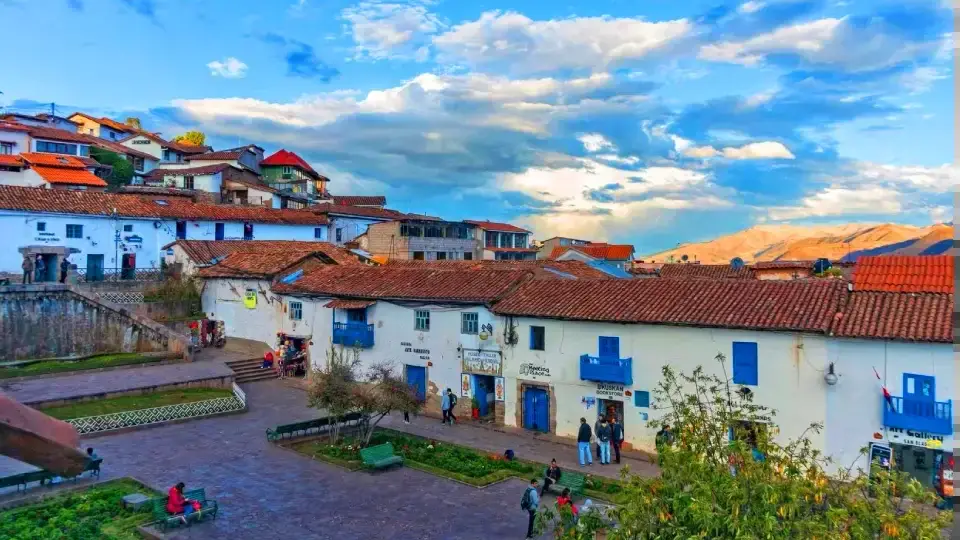
San Blas square, whitewashed houses with blue doors, terracotta roofs and the surrounding Cusco hills.

05 / TEN · Cusco city

Blue doors. Uphill lanes.
And a little faith in beauty.

San Blas neighbourhood

Meet a maker, browse a workshop and let a café interrupt your plans. Your knees may appreciate the interruption.

A MOMENT IN HISTORY

San Blas occupies the area of the Inca neighbourhood of Toqocachi, linked by old paths to Saqsaywaman. Its colonial church became famous for an elaborate wooden pulpit.

Cusqueño tradition · the San Blas pulpit

The sculptor who carved his gratitude

A sick woodcarver dreams of the Virgin, who tells him to seek her in Cusco. The tradition names him Juan Tomás Tuyru Túpac. He travels to the city, recognises the image of the Virgen del Buen Suceso, and is healed.

How do you thank someone for giving you your life back? In the story, he answers with the skill of his hands. He carves a pulpit of extraordinary richness, turning cedar into a world of faces, leaves and devotion. His gratitude becomes something people can stand before centuries later. Carry that thought into the neighbourhood’s workshops: sometimes an object holds a person’s whole life.

Make it part of your trip

Explore the neighbourhood at your own pace. Ask about the church’s current access before planning to see the pulpit; workshops make a lovely visit in their own right.

The irregular outline of the twelve-angled stone fits tightly between neighbouring blocks on Hatun Rumiyoq.

Photo: Ljuba brank · Public domain · Wikimedia Commons

06 / TEN · Cusco city

Twelve angles.
One impossible-looking fit.

Piedra de los Doce Ángulos

Take a turn at counting the corners. Then notice the neighbouring blocks: the entire wall deserves your attention.

A MOMENT IN HISTORY

The famous stone forms part of the Inca masonry on Hatun Rumiyoq. Its twelve corners are fitted to neighbouring blocks with remarkable precision, making an ordinary street a lesson in engineering.

Wider Andean myth · Inkarrí

The king whose stones obeyed

In an Andean version of the Inkarrí myth, the Inca commands stones as a shepherd commands a flock. They obey him, and temples rise. A world of immense weight becomes, for a moment, a world that answers to a human voice.

This is a wider Andean story about the Inca’s extraordinary creative power, brought here as a companion to the stonework. Standing in front of those joints, you understand the impulse behind it. The craftsmanship is so accomplished that people reached for a story large enough to contain their astonishment.

Make it part of your trip

Photograph the joints without touching the stone, and leave room for other people using the narrow street.

SAME REGION. DIFFERENT WAYS TO FALL FOR IT.

What does your
Cusco feel like?

Your interests change the shape of a good journey. Choose a starting point; your preference will be included in the message you prepare for Chasqui.

What draws you here most?

Let the city tell you its stories.

Start with the Cathedral, Qorikancha, San Blas, Hatun Rumiyoq and MAP. Keep café pauses and flexible time between visits. Saqsaywaman adds a different perspective above the city.

Shape a route around me ↗
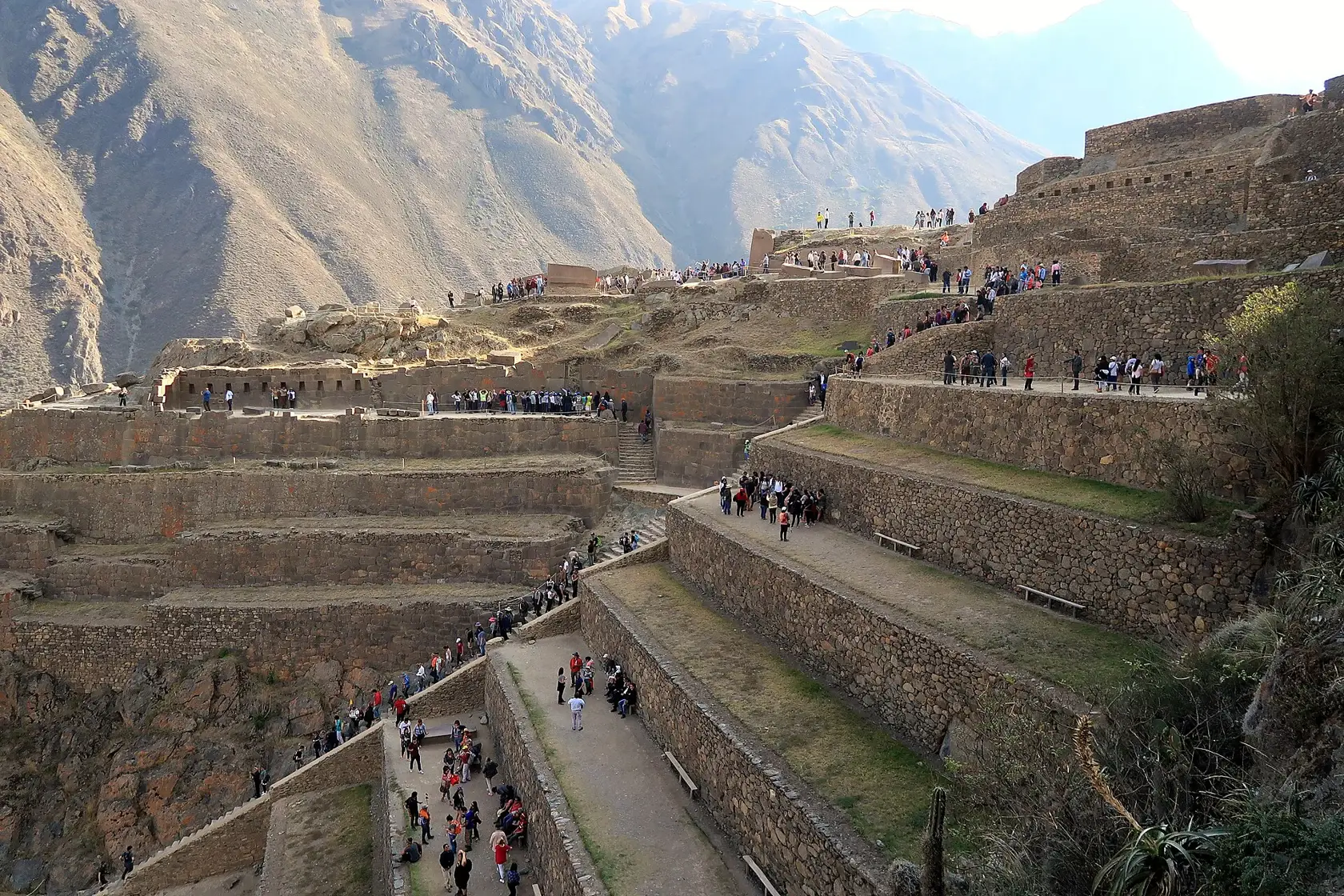
The monumental terraces and paths of Ollantaytambo on a mountainside in the Sacred Valley.

Photo: Bex Walton · CC BY 2.0 · Wikimedia Commons

07 / TEN · Sacred Valley

A fortress-sized setting.
A very human love story.

Ollantaytambo Archaeological Park

Explore the terraces, then make time for the living town below. This is a place to arrive in, rather than simply depart from.

A MOMENT IN HISTORY

The archaeological site preserves architecture from the imperial and late Inca periods. Monumental terraces and fine stonework rise above a town that retains an Inca urban layout.

Quechua dramatic tradition · Apu Ollantay

A love the emperor could not allow

Ollantay, a celebrated commander, falls in love with Cusi Coyllur, the emperor’s daughter. He has courage, victories and a devoted heart. What he does not have is royal blood. Pachacuti refuses their union; love turns into rebellion, and the princess disappears into confinement.

Years later, a daughter’s determination brings the hidden suffering into the open. Under a new emperor, mercy becomes possible, and the lovers are reunited. The story survives in the Quechua drama Apu Ollantay, whose origins are debated. Read as dramatic tradition rather than a record of these ruins, it gives the great terraces an unexpectedly intimate scale.

Make it part of your trip

Plan time for the archaeological site and town. Coordinate it with your train journey instead of relying on a hurried connection.

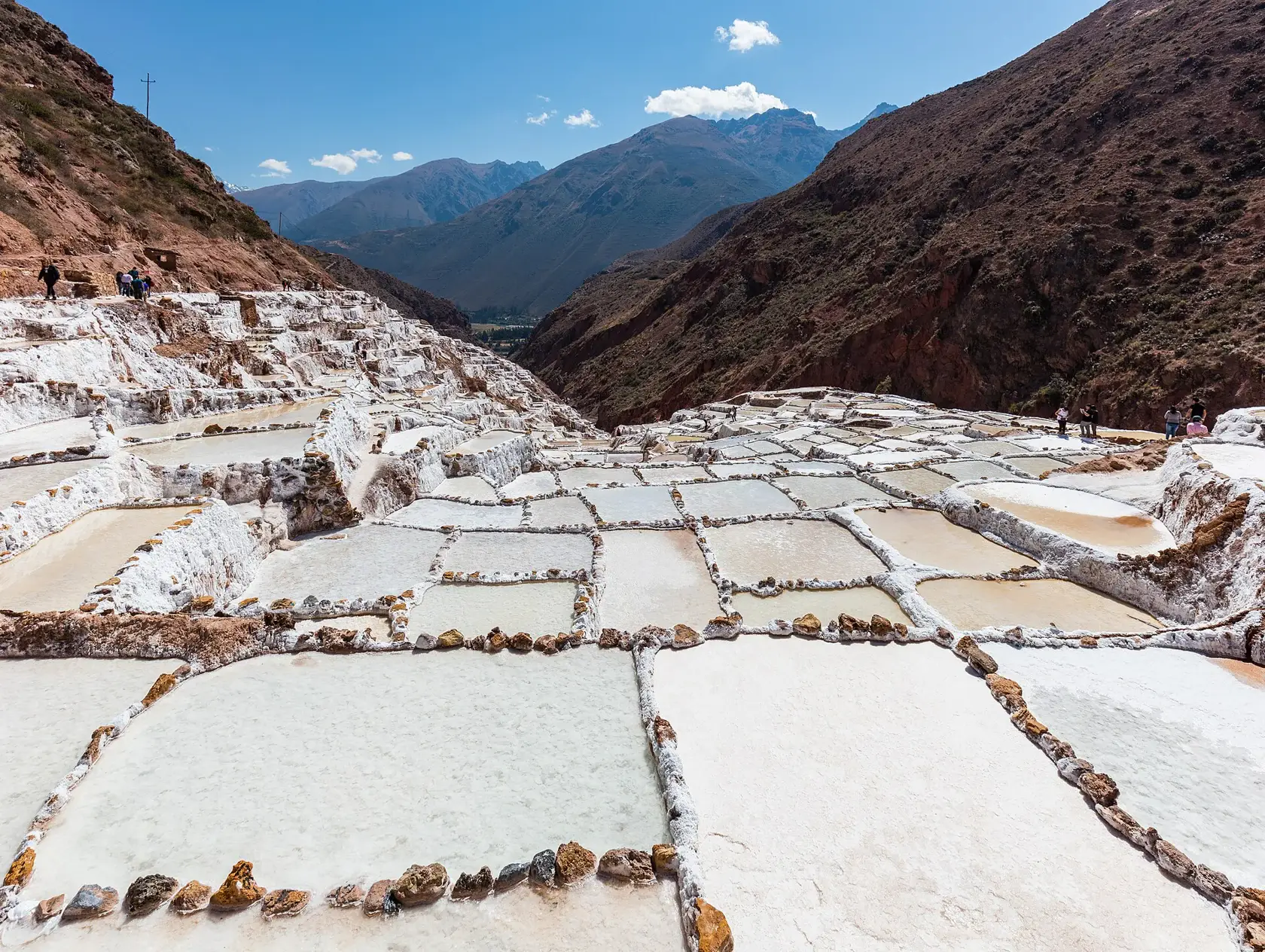
White salt ponds descending the mountainside at Maras.
MARAS
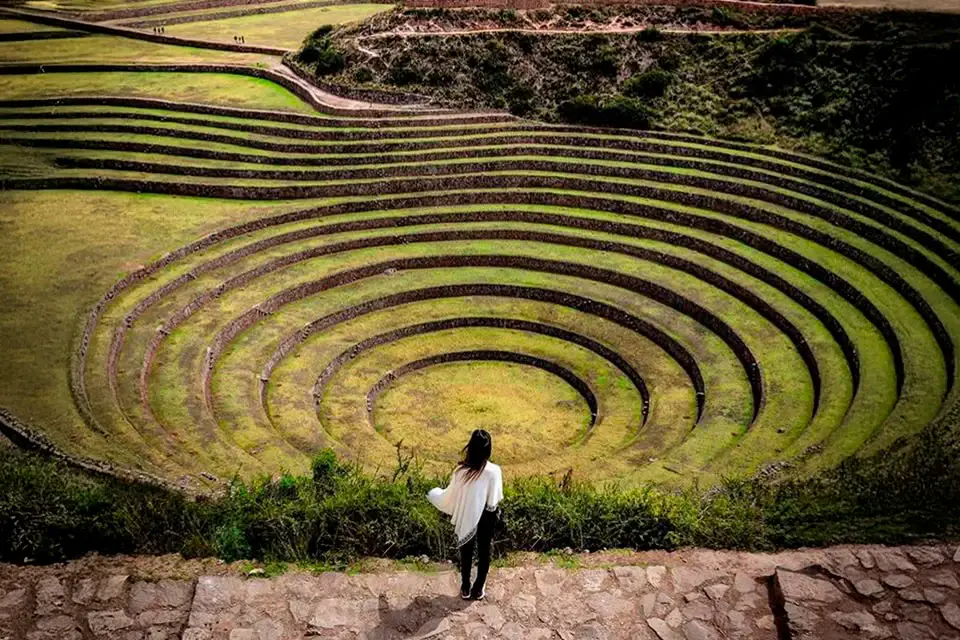
The concentric circular terraces of Moray, seen from above.
MORAY

Photo: Diego Delso · CC BY-SA 4.0 · Wikimedia Commons

08 / TEN · Sacred Valley

A hillside of salt.
A landscape made of circles.

Maras Salt Ponds and Moray Terraces

Watch white pools catch the light at Maras, then discover the beautifully ordered terraces of Moray.

A MOMENT IN HISTORY

Maras preserves a salt-harvesting tradition with pre-Hispanic roots. Nearby Moray’s Inca terraces create distinct microclimates and are commonly interpreted as a place of agricultural experimentation.

Maras legend · Ayar Kachi

The tears that became salt

Ayar Kachi is so strong that a stone from his hand can split a mountainside. On their journey to found Cusco, his brothers become afraid of that power. They trick him into entering a cave and seal him inside.

His tears, the Maras tradition says, find their way out through a salty spring. Sunlight dries them into the white harvest spread across the hillside. The legend gives a human sorrow to a working landscape. It belongs to Maras; Moray adds a different kind of wonder nearby, where concentric terraces invite you to think about the ingenuity that sustained Andean life.

Make it part of your trip

Give both sites their own time. At Maras, use permitted viewpoints and paths; the salt ponds are also places of work.

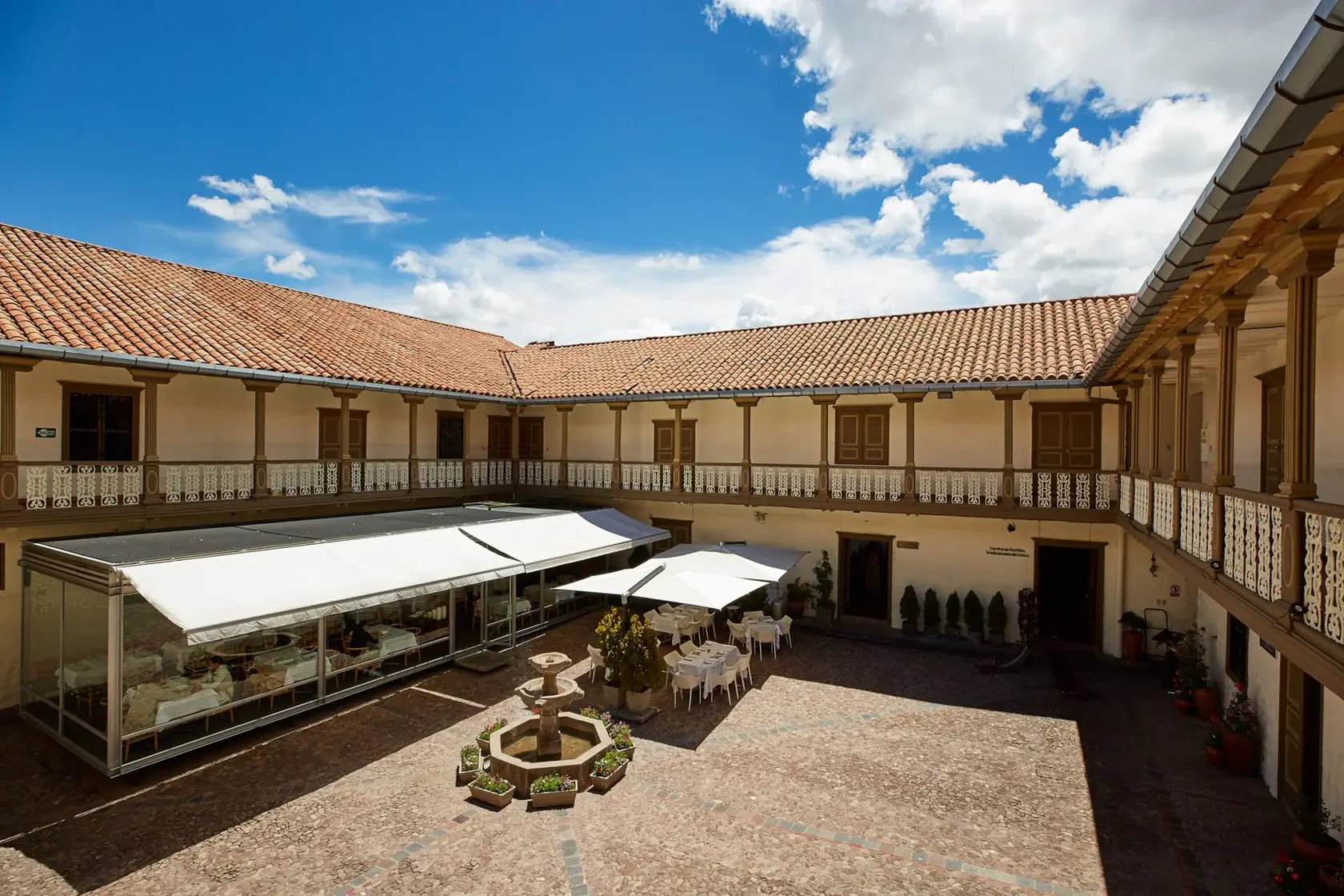
The historic courtyard of the Museo de Arte Precolombino in Cusco, surrounded by stone arcades and tiled roofs.

Photo: Patriciolog · CC BY-SA 4.0 · Wikimedia Commons

09 / TEN · Cusco city

A quiet courtyard.
Three millennia of imagination.

Museo de Arte Precolombino · MAP

Choose a single object and stay with it. A museum becomes much more personal when something chooses you back.

A MOMENT IN HISTORY

MAP presents ancient Peruvian art spanning roughly three millennia. Its collection comes from the Museo Larco in Lima and includes cultures from well beyond the Inca world.

Northern Peruvian tradition · Naylamp

The lord who arrived by sea—and left with wings

Across the sea comes Naylamp, a lord with followers and a green stone image. He establishes a new home on Peru’s northern coast. When he dies, the people are told that he has grown wings and flown away; his disappearance becomes a passage into legend.

Carry this Lambayeque tradition into a museum that opens a window onto ancient Peru. It brings a question with it: when artists gave a figure wings, what kind of authority, memory or hope were they making visible? Follow that curiosity through the galleries. A small object can open a very large world.

Make it part of your trip

Leave space for a quieter cultural visit in the city. Choose a gallery, find an object that draws you in, and give it your full attention.

Vinicunca’s naturally striped mineral ridges under a cloud-streaked sky, seen from a visitor viewpoint.

Photo: Codas · CC BY-SA 4.0 · Wikimedia Commons

10 / TEN · High Andes

The mountain has colours.
The landscape has guardians.

Rainbow Mountain · Montaña de Siete Colores

Look beyond the famous ridge to the scale of the high Andes. Let the place be larger than the photograph.

A MOMENT IN HISTORY

Vinicunca’s mineral bands tell a geological story far older than tourism. PROMPERÚ places its rise to widespread travel attention in the mid-2010s, when trekking photographs spread online.

Regional mountain tradition · Ausangate & Salkantay

The brother who fed a hungry city

A terrible drought threatens Cusco. Two brothers, Salkantay and Ausangate, leave to find help. Salkantay travels north towards the forest and a forbidden love. Ausangate goes south into the highlands, where he finds food and sends it back to the people in need.

In the mountain tradition, the landscape carries relationships: protection, generosity and responsibility. The brothers’ story belongs to the wider Ausangate region around the Rainbow Mountain journey. Vinicunca’s colours come from geology; the regional myth gives you another reason to look up with respect.

Make it part of your trip

This is a demanding outing above 5,000 metres. Plan for altitude, weather and current access; choose the excursion only when it suits your condition and trip.

Which story will become yours?

Choose a few places you love. A memorable trip leaves room to experience them.

Back to the ten places ↑

YOUR FIRST GOOD DECISION

Choose the chapter.
Then give it time.

Four different ways to experience the region. A good route does not try to turn them into a single day.

A practical way to choose your experience
Your chapterWhat you come forWhat to allow forDecide before booking
Cusco cityInca stonework, churches, museums and San BlasSloping streets, cobbles, steps and time to settle after arrivalWhich interiors matter, opening days and the route back to your room
The Sacred ValleyLiving towns, Ollantaytambo, Maras and MorayA dedicated road journey; stops and train connections need sequencingYour overnight base, actual driving and which entrances are separate
Machu PicchuThe landscape and the architecture in contextA separately ticketed visit with road, rail and shuttle arrangementsExact route, entry time, station, guide and room for the return
Vinicunca / the high AndesMountain scenery and a physically demanding dayMuch higher altitude than Cusco, weather and early transportSuitability, walking route and an alternative if conditions change

A LITTLE LESS CHECKLIST. A LITTLE MORE JOURNEY.

Make the moments
belong together.

These are starting points for a conversation. Arrival, transport and your response to altitude decide what belongs in each day.

01

2–3 DAYS / CITY FIRST

Let the city introduce itself

  1. Keep arrival light: settle in, a short walk near your room and an easy meal.
  2. Choose Qorikancha or the Cathedral, then a slow San Blas walk with a café pause.
  3. If time and your ascent plan allow, add Saqsaywaman or a dedicated Valley day.

An introduction to Cusco. Machu Picchu needs its own booked connection and additional time.

02

4–5 DAYS / A CONNECTED JOURNEY

City, valley, wonder

  1. Reserve the Machu Picchu route and build the wider stay around it.
  2. Give Cusco and the Sacred Valley distinct days, with a suitable overnight base.
  3. Keep the journey to and from Machu Picchu clear of unnecessary extra stops.

Feasibility depends on actual ticket and transport availability; this is not a guaranteed five-day package.

03

6–7 DAYS OR MORE / A SLOWER RHYTHM

Room for an unplanned afternoon

  1. Spend more time with the city’s museums, craftspeople and neighbourhoods.
  2. Allow a full Valley chapter and a Machu Picchu overnight if it suits the connections.
  3. Leave a flexible day; consider a high-Andes excursion only after assessing effort, weather and altitude.

Extra time is a chance to choose well. Vinicunca is optional, never a compulsory final tick.

THE USEFUL DETAILS, IN ONE PLACE

Cusco travel essentials.
More anticipation. Fewer surprises.

01

Best time to visit

The Andean dry season generally brings clearer days and cold nights; the wetter months call for rain protection and flexible outdoor plans. May–October is a useful dry-season starting point, not a weather guarantee.

June celebrations and popular holiday periods can change crowds, room prices and availability. If a festival matters to you, check the programme for your travel year before choosing flights. Keep a museum or a good lunch as a wet-weather alternative.

02

Things to know

Cusco is around 3,400 metres high. Discuss a gradual ascent with a travel-health clinician; a quiet first day does not guarantee protection from altitude illness. Avoid making a high mountain excursion your arrival-day ambition.

Pack layers, shoes with grip and sun and rain protection. Ask before photographing people, and treat working churches as places of worship. Tell a guide about walking requirements when agreeing the route; the most scenic shortcut may be the steepest one.

03

Transportation

For a flight arrival, arrange the actual airport-to-hotel transfer and check whether a vehicle can reach your accommodation entrance. In San Blas and the historic streets, the last part may involve walking with luggage.

For the Valley, agree a driver or tour’s stops, guide language, waiting time and final destination. A train sold as departing “Cusco” may involve a named station or a bus-and-train service: read the booking, not just the headline. Confirm onward connections close to departure.

04

Best road trips

Choose an Ollantaytambo–Valley day for town life and archaeology, or a Maras–Moray outing for salt landscapes and terraces. Ask how much driving each proposed circuit involves and leave time to enjoy a stop.

A transfer ending in Ollantaytambo can fit an onward train only with adequate margin. Vinicunca is a very different mountain day; do not add it as a casual detour. Road and weather checks belong in the final plan, especially around fixed departures.

05

Money and costs

Compare the ticket system with your actual shortlist. COSITUC currently lists the general tourist ticket at S/130 with ten-day validity; partial tickets have different coverage and validity. Check the category that applies before paying. This is a published admission price, not a tour quote.

Machu Picchu entry and many separately run visits require their own arrangements. Ask for a total including admissions, driver, guiding, meals and transport connections. Carry soles in small notes for smaller purchases; keep payment receipts.

06

Travelling with kids

Build the plan around the youngest traveller’s needs and the slowest comfortable walker. Ask a clinician about altitude for your family before travel; an adult should handle the enquiry and any booking.

Break city walks with a courtyard, a snack and a toilet stop. Ask about child seats, steps at the hotel, journey lengths and age restrictions on the exact activity. Do not assume a mountain route is suitable because a family can enter the archaeological site. Chasqui conversations are for adults; children’s personal details are unnecessary here.

07

Get connected

Save your hotel entrance, driver contact, station, ticket and meeting instructions before leaving reliable Wi-Fi. Download the parts of the map you will actually use, rather than only a pin for Cusco.

Coverage can vary along Valley roads and mountain routes. Ask the operator how you will find one another if messaging fails. Carry a charged power bank. This HTML can travel offline with you; external booking links and WhatsApp need a connection.

A DESTINATION HAS A FLAVOUR, TOO

The region has
its own appetite.

Make room for a regional meal, a market conversation and something warm after a cool evening.

01 / FIND YOUR APPETITE

Chiri uchu

A festival-associated plate bringing together contrasting ingredients. Ask when it is available and what is included; it is not an everyday vegetarian tasting plate.

02 / FIND YOUR APPETITE

Cuy al horno

Roast guinea pig is a regional tradition. Choose it out of curiosity, ask how it is served and whether it needs advance ordering.

03 / FIND YOUR APPETITE

Quinoa & Andean potatoes

Look beyond the familiar salad. Soups and regional preparations offer a gentler introduction; ask about the stock, cheese and other ingredients.

04 / FIND YOUR APPETITE

A market morning

San Pedro is a chance to see ingredients and daily shopping. Ask before portraits and choose food with attention to preparation and your own dietary needs.

Menus and recipes vary. Discuss allergies and dietary requirements directly before ordering; a particular dish or seat needs its own confirmation.

THREE DIFFERENT REASONS TO STOP

Choose the occasion.
Then choose the table.

A regional meal in San Blas

Pachapapa

Choose it when the neighbourhood and a relaxed table belong in the same afternoon. Its own site lists Plazoleta San Blas 120; ask for the current menu and any advance-order dishes.

A plant-based pause

Green Point

A useful candidate for a vegan meal in Cusco. Check the current menu, exact location and reservation details through its own channel; discuss allergies separately from a vegan preference.

Regional cooking, a restaurant occasion

Chicha

Consider a more deliberate sit-down meal rather than fitting lunch into a ten-minute gap. Confirm that your reservation is for the Cusco restaurant, along with the current menu and total.

CHOOSE THE NIGHT, TOO

The right base
changes the day.

Pick the room and location that fit your actual route. These are base types to compare, not confirmed hotel offers.

01

Historic centre

A good base for the square, museums and dinners on foot. Ask about vehicle access, street noise, heating, hot water and the exact room.

02

San Blas

Atmospheric streets and small discoveries. The trade-off can be a steep walk or steps with luggage; check the route from the vehicle before booking.

03

Sacred Valley

Choose a specific town and property to match the wider journey. Sleeping elevation, transfer costs and access to your train matter more than a generic “Valley hotel” label.

SMALL CHECKS. A MUCH BETTER TRIP.

The mistakes you
don’t need to make.

Twelve useful checks, organised around the moment when they can make a difference.

Before you book
  1. Buying one ticket for an imaginary whole region. Check the coverage and validity of each admission against the places you want.
  2. Planning Vinicunca as a warm-up. Its much higher altitude and walking demand need a separate suitability decision.
  3. Booking a beautiful room without its approach. Ask where the car stops and who handles the last stretch with luggage.
  4. Treating Machu Picchu as an open-date add-on. Let confirmed entry and connections anchor that part of the trip.
Before you set off
  1. Reading “Cusco station” too casually. Use the precise station or bimodal departure printed on your booking.
  2. Putting the Valley in the wrong order. Sequence stops around your base and onward train; agree luggage arrangements.
  3. Keeping every plan on a live web page. Save tickets, addresses and contacts offline.
  4. Leaving the guide’s role undefined. Agree language, duration, entrances and where the service ends.
Before the next connection
  1. Giving a road transfer no margin. Check current access and protect flights or train departures.
  2. Trying every famous place in one day. Choose by geography and effort, not by the length of the list.
  3. Letting symptoms become an itinerary debate. If unwell at altitude, seek appropriate help instead of pressing on to a higher excursion.
  4. Comparing only headline tour prices. Check the complete cost, cancellation terms and the actual operating company.

KEEP THE JOURNEY CONNECTED

And then?
Choose the next chapter.

Connect regions and neighbourhoods with the travel time in mind.

Machu Picchu

A separately planned entry, train and overnight chapter. Make the route match what you want to see.

Open the Chasqui guide ↗

Puno & Titicaca

The journey reaches a higher lakeside region. Allow travel time and assess sleeping altitudes across the whole itinerary.

Open the Chasqui guide ↗

Lima before the flight home

A sea-level pause can include a museum and a memorable meal if the connection allows.

Open the Chasqui guide ↗

LESS SEARCHING WHEN YOU GET THERE

Keep the useful
part with you.

Save this HTML file to read its text and photographs offline. Your shortlist lasts for this page session; use Copy message below to keep the plan in your notes. External links and WhatsApp still need a connection.

Prepare my own trip summary ↗

The browser opens the print window. No message is sent and no service is booked by this page.

About this integral guide & its sources

Planning expansion reviewed on 25 October 2026. The original landmark chapters retain their own historical, story and photograph credits. These itineraries and comparisons are editorial suggestions, not confirmed departures, availability or individual medical clearance.

Current access, specific room facilities, menus, prices and transport should be reconfirmed for the travel date. No new landmark or hotel photographs were generated for this expansion. Existing photo provenance and publication conditions remain in the original credits below.

LET’S TURN CURIOSITY INTO YOUR JOURNEY

Your days.
Your pace.
Your Cusco.

You bring the dates, the interests and the people you want to share it with. We help you think through a route that fits—from a gentle city afternoon to the journeys that need a little more planning.

Send us your favourites. We can start with the places that made you pause.

Fernando Novoa, founder and curator of Chasqui
Fernando NovoaFounder & curator · Chasqui

Our travel assistance is free.
Chasqui may earn a commission from providers when you book through us. Prices, availability and any paid arrangements are confirmed before you commit.

LET’S START WITH YOUR IDEAS

Tell us what draws you here.

YOUR SAVED PLACES

Your shortlist starts with the places that catch your imagination.

Explore or change my places ↑

What draws you here: Culture & city life Change

A few details that make the plan fit

For adults 18+. No passport, card or medical information is needed for this enquiry.

Preview my WhatsApp message

CUSCO — Hi Chasqui, I’d love help planning a trip through the Cusco region. Please help me choose the places and pace that fit my dates.

Start my Cusco conversation

Opens WhatsApp with a message you can review and send. Your choices stay in this page until you send the message yourself.

About the stories, photography & sources

This is an editorial selection of the ten places requested for this guide, rather than a measured popularity ranking. Legends are traditional accounts, devotional beliefs or literary interpretations, retold in our own words. They are distinguished from the historical information in each chapter. Last editorial review: 24 October 2026.

The Inkarrí story is a wider Andean tradition offered alongside the Twelve-Angled Stone. Naylamp is a Lambayeque coastal tradition used as context for the ancient Peruvian world explored at MAP. The Ausangate brothers’ story belongs to the wider mountain region, and the Ayar Kachi legend belongs to Maras within the combined Maras–Moray chapter. None of these connections is presented as a documented event at the exact monument.

Visitor routes, opening conditions and access can change. The ten places span different areas and demands; this page is an invitation to choose, rather than a fixed schedule. For high-altitude excursions, plan gradually and seek appropriate individual advice where needed.

Photography

Images combine files supplied in the Chasqui project and credited public photographs. No new AI-generated landmark images were made for this guide. Web optimisation and layout crops preserve the supplied content. Authorship and prior editing of the supplied project images were not independently verified. Public photographs and their crops retain their respective licences.

Plaza de Armas and Cusco CathedralDiego Delso · CC BY-SA 4.0 · Wikimedia Commons
Layout crop; photographic licence retained.
Qorikancha · Temple of the SunDiego Delso · CC BY-SA 4.0 · Wikimedia Commons
Layout crop; photographic licence retained.
Piedra de los Doce ÁngulosLjuba brank · Public domain · Wikimedia Commons
Layout crop; photographic licence retained.
Ollantaytambo Archaeological ParkBex Walton · CC BY 2.0 · Wikimedia Commons
Layout crop; photographic licence retained.
Maras Salt Ponds and Moray TerracesDiego Delso · CC BY-SA 4.0 · Wikimedia Commons
Layout crop; photographic licence retained.
Museo de Arte Precolombino · MAPPatriciolog · CC BY-SA 4.0 · Wikimedia Commons
Layout crop; photographic licence retained.
Rainbow Mountain · Montaña de Siete ColoresCodas · CC BY-SA 4.0 · Wikimedia Commons
Layout crop; photographic licence retained.
Back to the beginning ↑
TEN PLACES TO DISCOVER
Make the journey yours.
Plan my Cusco ↗